19 May 2026
Shiduch
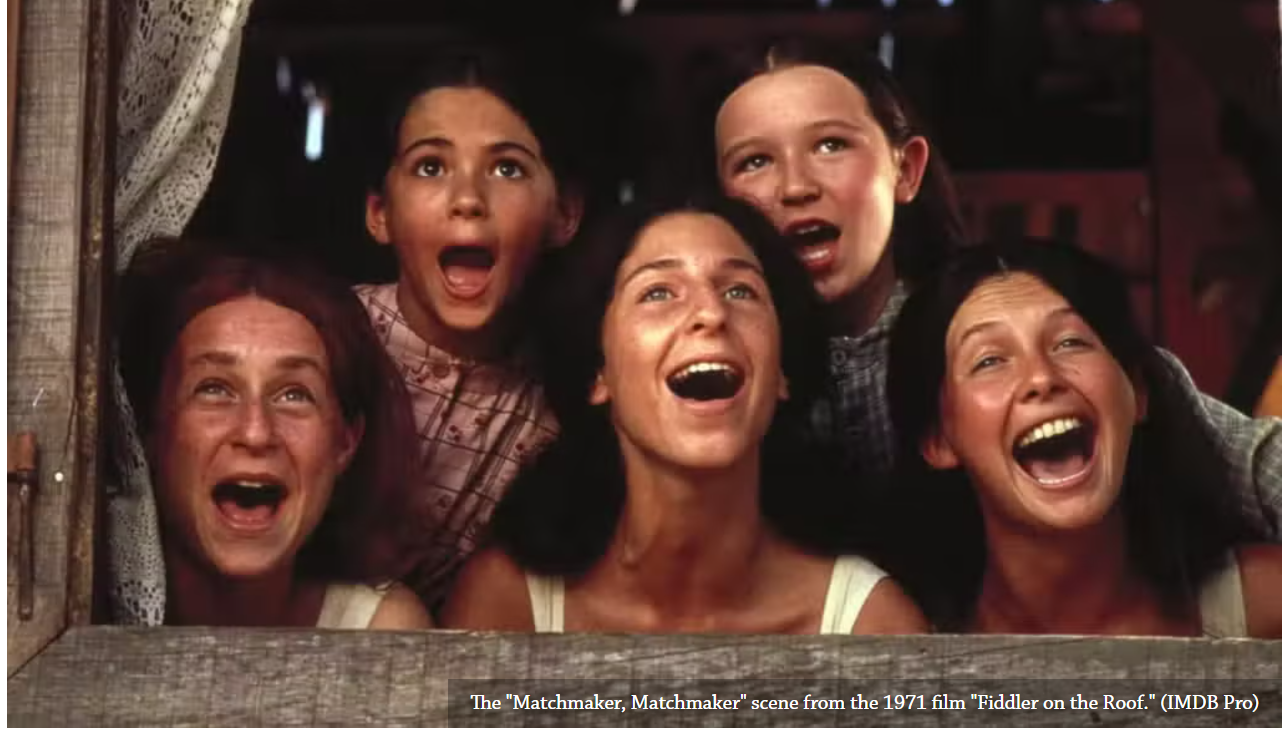
matchmaking has been a part of Jewish life since the Book of Genesis. The traditional matchmaking process — shidduchim in Hebrew — was introduced to the wider world through the blockbuster 20th century musical Fiddler on the Roof and, more recently, has also been featured prominently in the Israeli TV series Shtisel and Netflix’s Jewish Matchmaking.
Shidduchin is the process of matching two Jewish singles for the purpose of marriage. Judaism views marriage as the basis of human companionship and the cornerstone of Jewish community. As the venue for fulfillment of the biblical commandment of p’ru u’rvu, be fruitful and multiply, Jewish marriage is also the basis of Jewish survival.
In Hebrew, a match is known as a shidduch and the person who facilitates a match is a shadchan. Young people in the process of seeking a mate with the help of a matchmaker sometimes say that they are “in shidduchim.”
Matchmaking is common in some Jewish communities, non-existent in others, and looks different across various Jewish communities; divergences are often due to a community’s customs and interpretations of Jewish law. But one aspect common to them all is reliance on the shadchan. Being a successful shadchan is considered especially meritorious — according to Jewish oral tradition, introducing three couples that ultimately marry guarantees the shadchan a place in the heavenly realm of the afterlife.