Hasidism is a movement within Judaism that emerged in 18th-century Eastern Europe and remains an active branch of ultra-Orthodox (Haredi) Judaism today. It emphasizes deep religious devotion, joyful spiritual practice, strict observance of Jewish law, mystical teachings rooted in Kabbalah, and the guidance of charismatic spiritual leaders known as rebbes.
Kashrut, the Jewish dietary tradition, shapes not only what Jews eat but also how food is prepared, served, and shared. More than a set of dietary rules, it transforms the everyday act of eating into a conscious expression of faith, discipline, and respect for life. Through kashrut, the dining table becomes a place where spirituality is lived every day.
Tikkun Olam (תיקון עולם), meaning "repairing the world," is one of Judaism's most inspiring ideas. It teaches that the world, though fundamentally good, is unfinished, and that every person has the responsibility to help make it more just, compassionate, and whole. Through everyday actions, ethical choices, and acts of kindness, each individual becomes a partner in improving creation.
Tzedakah is often translated as "charity," but its true meaning is much deeper. Derived from the Hebrew word for "justice" or "righteousness," it reflects a fundamental Jewish belief: caring for those in need is not an act of generosity alone, but a moral responsibility. Through tzedakah, compassion becomes action, dignity is preserved, and communities are strengthened.
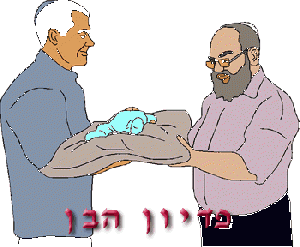
A pidyon haben, or "redemption of the firstborn son," is a ceremony wherein the father of a firstborn male redeems his son by giving a kohen (a priestly descendent of Aaron) five silver coins, thirty days after the baby's birth.
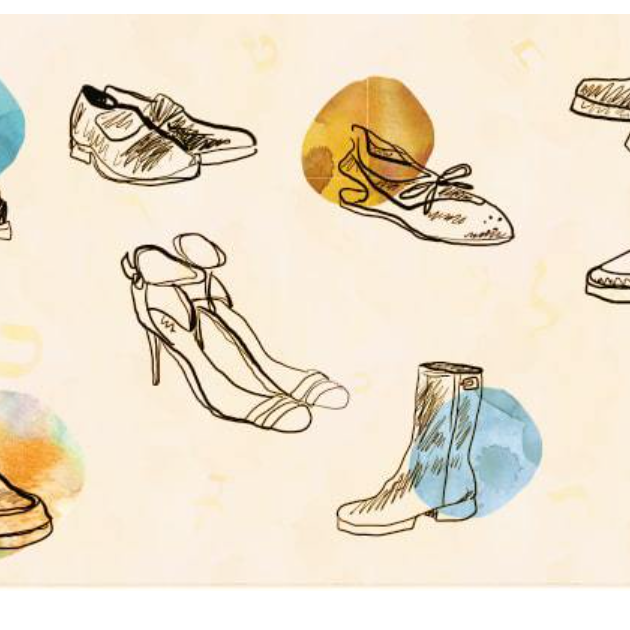
If a friend buys a beautiful new pair of leather shoes, Jewish tradition encourages a thoughtful choice of words when offering congratulations. Rather than wishing them to "wear them out and get a new pair," some avoid this expression because it implies the unnecessary use of another animal's life. Instead, the custom reflects the Jewish value of compassion toward all living creatures, echoing the teaching that "God's mercy is upon all His creations." But there is no prohibition on wearing them.
An interesting practice involving the Kohanim (members of the priestly clan) states that before blessing the Jewish people on special occasions (a ceremony known as Birkat Kohanim), they remove their shoes. The reason? To avoid a scenario where a Kohen might lag behind to tie a torn shoelace and miss the blessing, causing onlookers to suspect he may not actually be a Kohen.
The Torah repeatedly gives precedence to the right side of the body, particularly in the Book of Leviticus, and this preference is echoed in the laws of chalitzah. These examples establish the broader principle that the right side should be accorded honor and given precedence whenever appropriate.
From Biblical mitzvahs to kabbalistic conduct, shoes play a surprisingly significant role in Jewish life. The Torah covers every aspect of life—even an action as mundane as putting on your shoes! Based on the halachic principle that the right side is more prestigious, the right shoe is put on first and removed last. If you’re a lefty, the order is reversed.But here’s where it gets interesting: Once your shoes are on, the left shoelaces are tied first (and untied last) connecting it to teffilin.
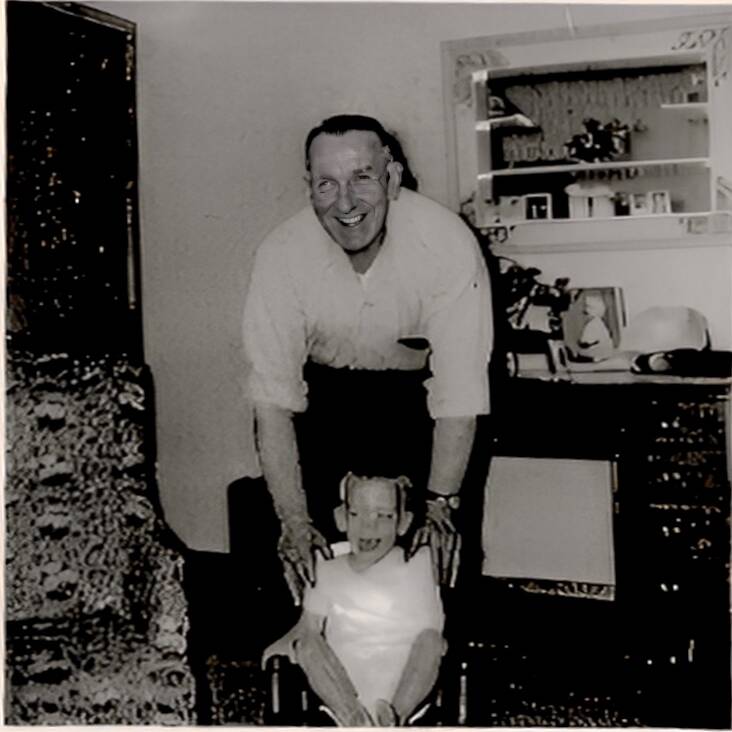
Being hidden Jews in especially Eastern Europe and the United States, my father’s families and some of my mother’s families did what they could to leave hints that we are Jewish.