How it works
Latest contributions
Discover the most recent traditions shared by our community.

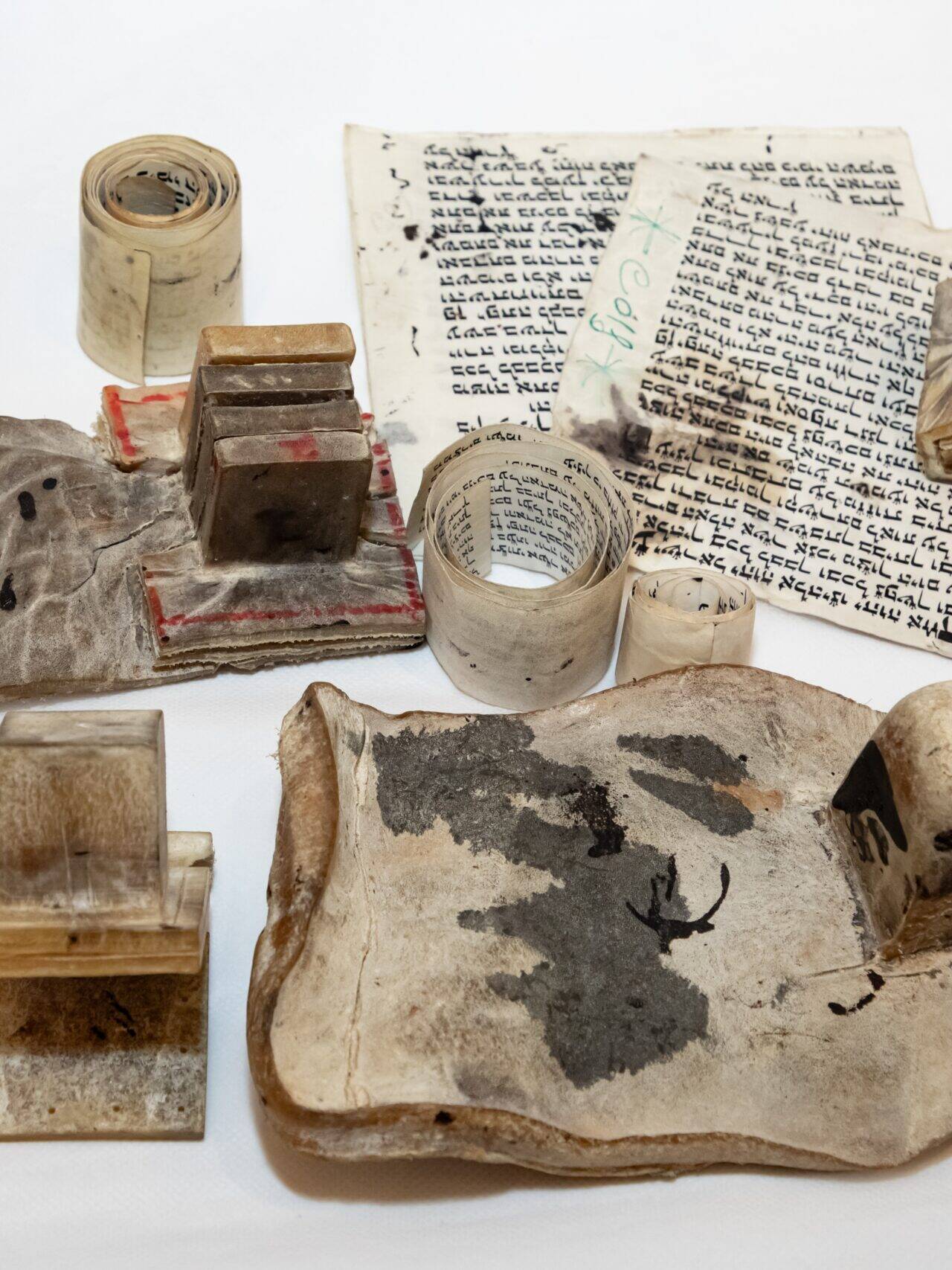
Protecting a home-Mezuzah, The Scroll Placed on Jewish Doorposts
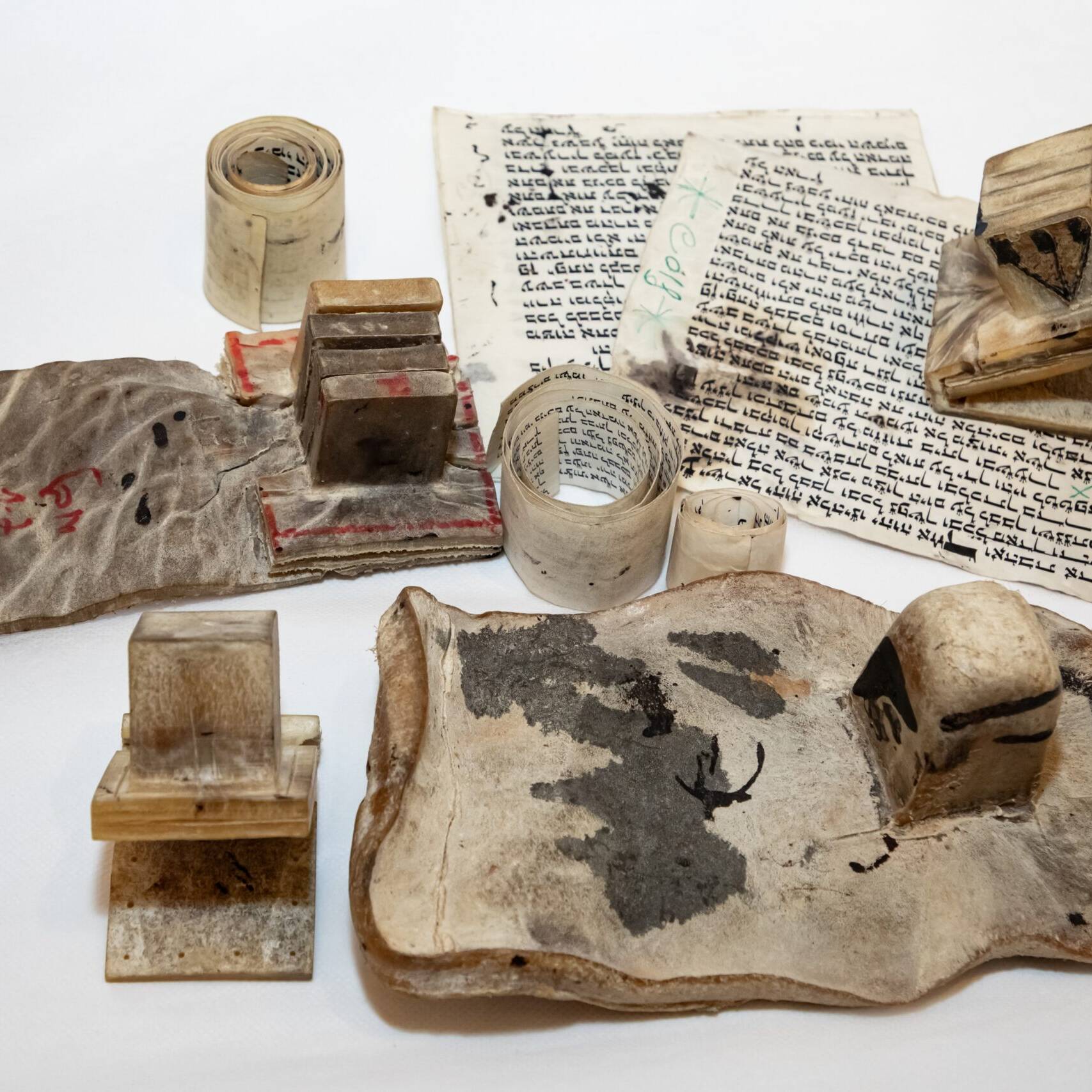
A mezuzah (מְזוּזָה) is a parchment scroll, on which the Shema is handwritten by an expert scribe.
A mezuzah mounted on the right side of the doorpost of a Jewish home reminds us of G‑d and our heritage. It also invites G‑d's watchful care over the home. A kosher mezuzah on the doors of a home or office protects the inhabitants — whether they are inside or outside.

Austria

Hebrew
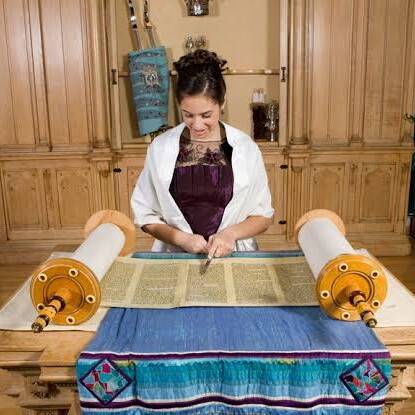
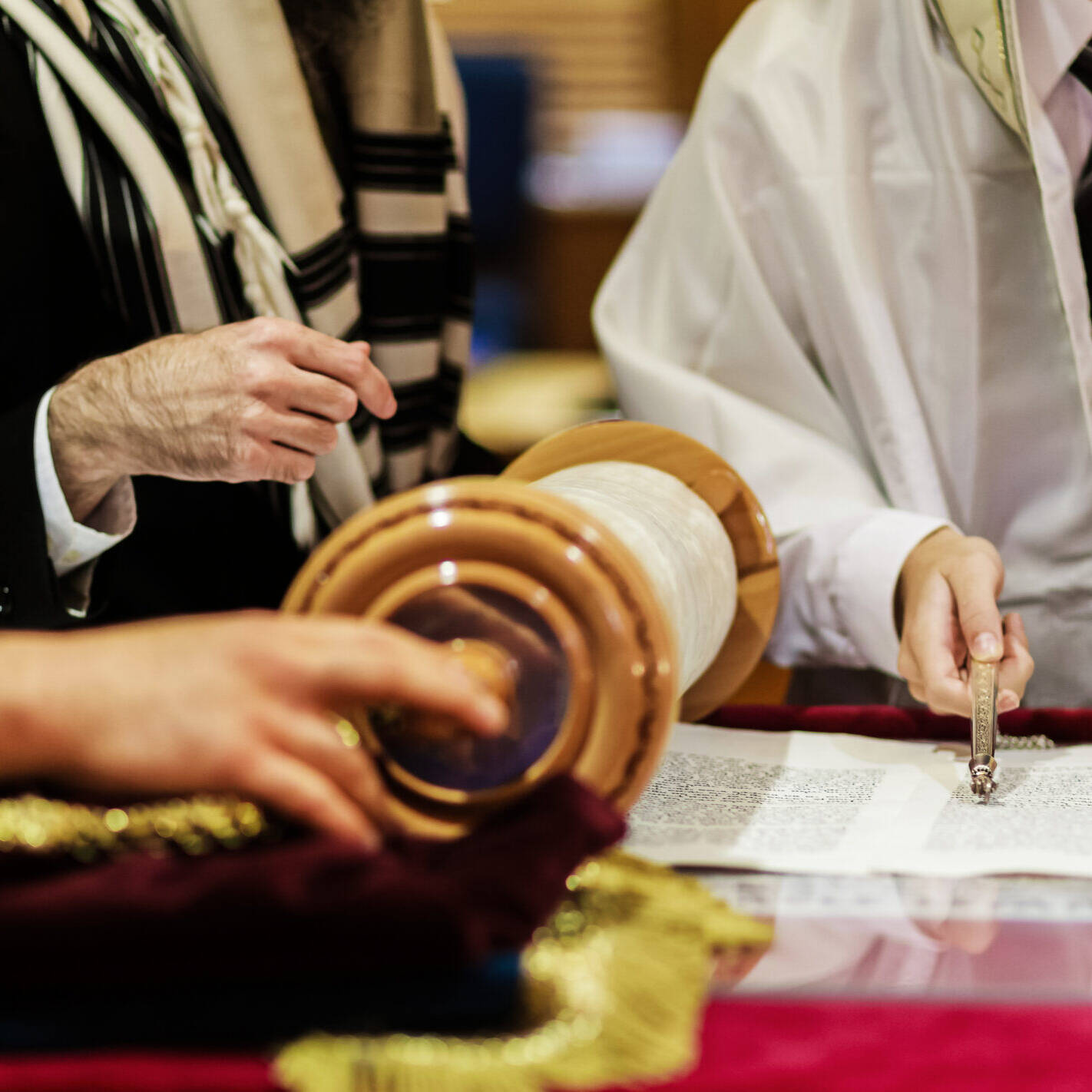
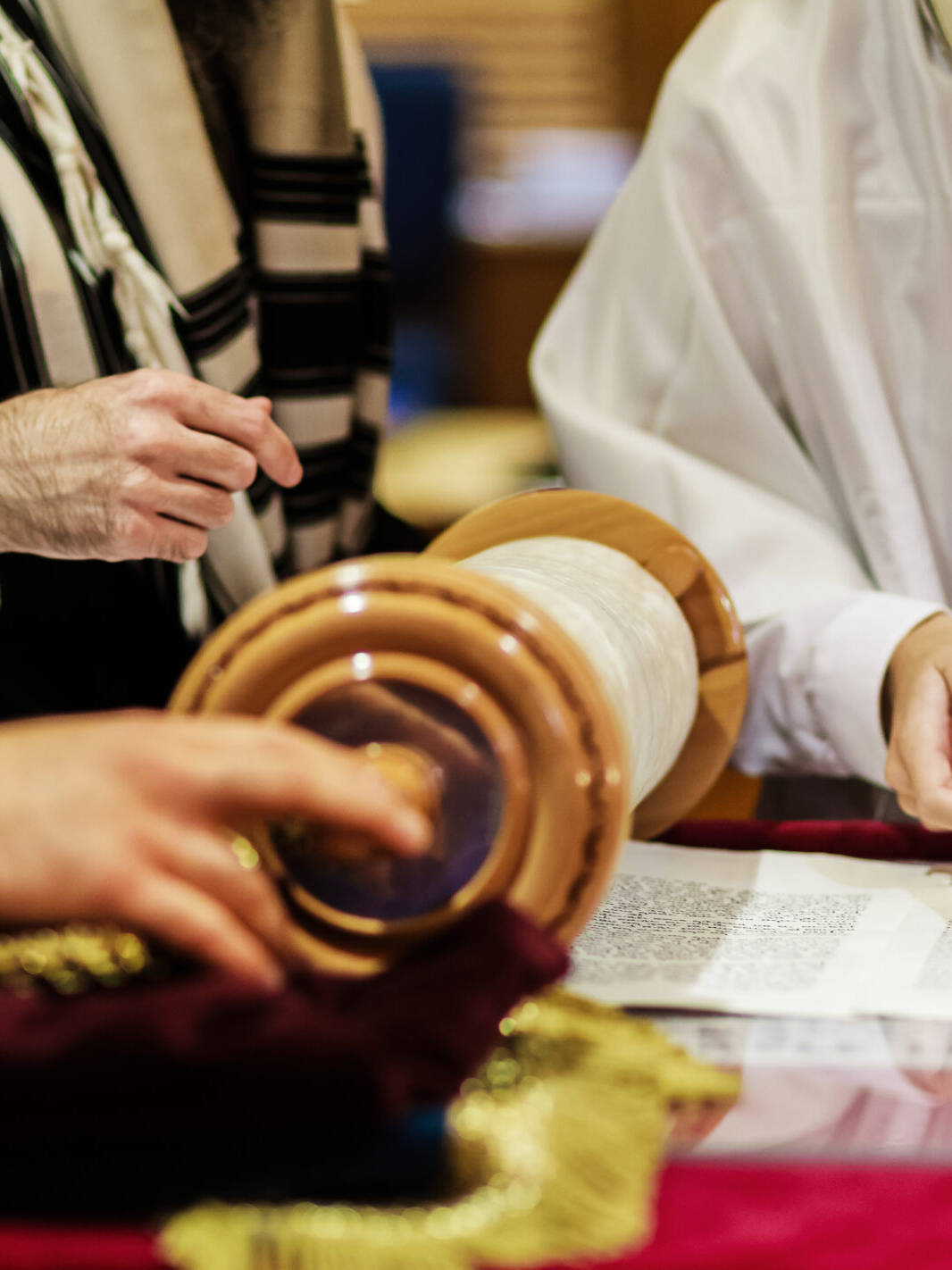
Bar and Bat mitzvah, Jewish religious ritual and family celebration commemorating the entrance into religious adulthood. This coming-of-age ceremony, which entails a child’s first public reading from the Torah during a synagogue service, celebrates the child’s taking on full responsibility to follow the commandments (mitzvot) of Jewish life.Historically, this ceremony was observed only by boys upon turning 13 and more recently also by girls turning 12.
Austria
Hebrew
Yiddish theater grew from older Jewish performance traditions, particularly Purim plays, music, storytelling and popular entertainment. Modern professional Yiddish theater began in Iași, Romania, in 1876, when Avrom Goldfadn founded the first professional company. Combining drama, comedy, music and dance, it quickly spread across Eastern Europe and later to major Jewish communities around the world.
Romania
Yiddish
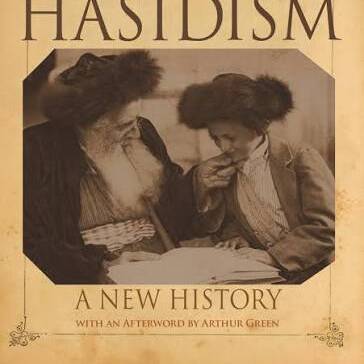
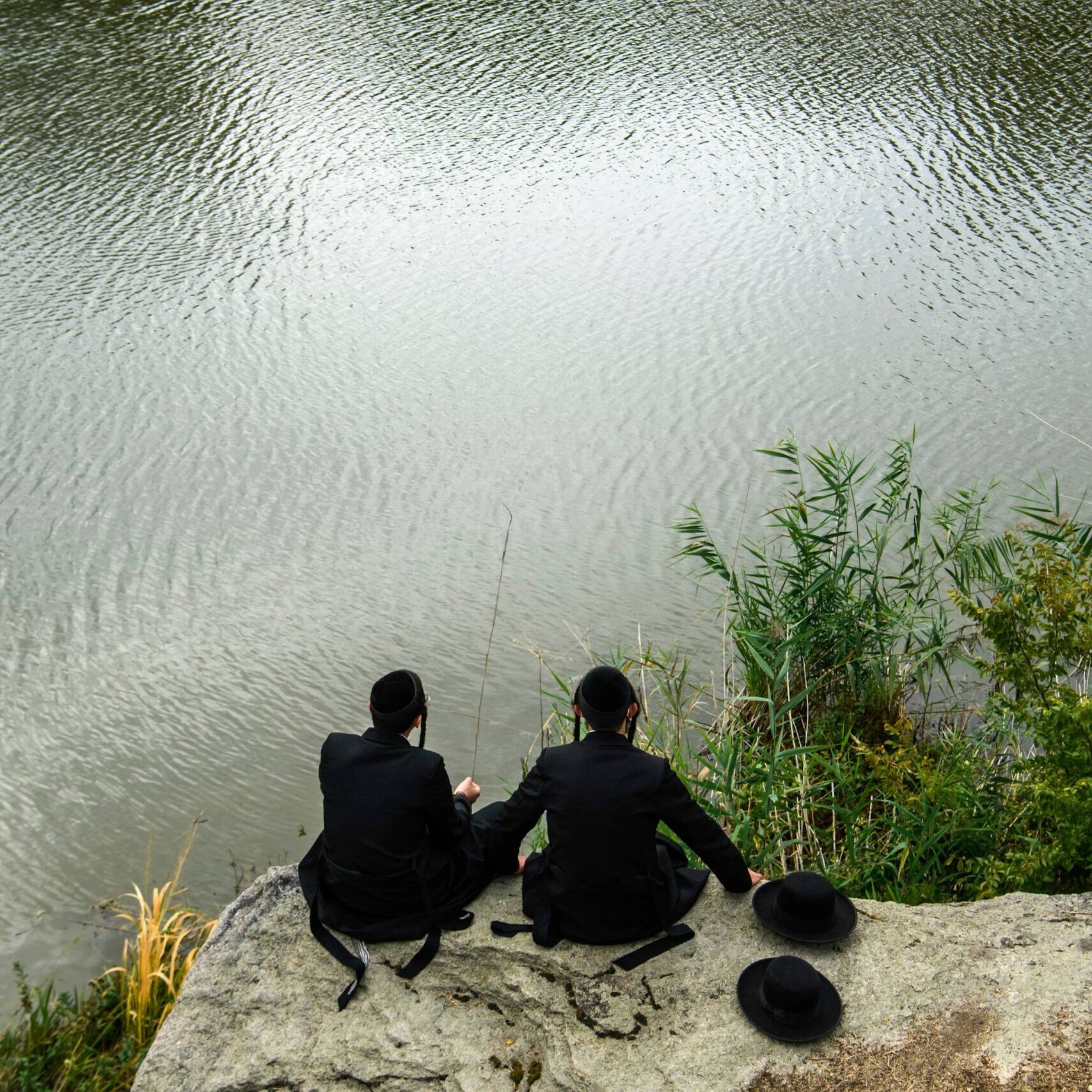
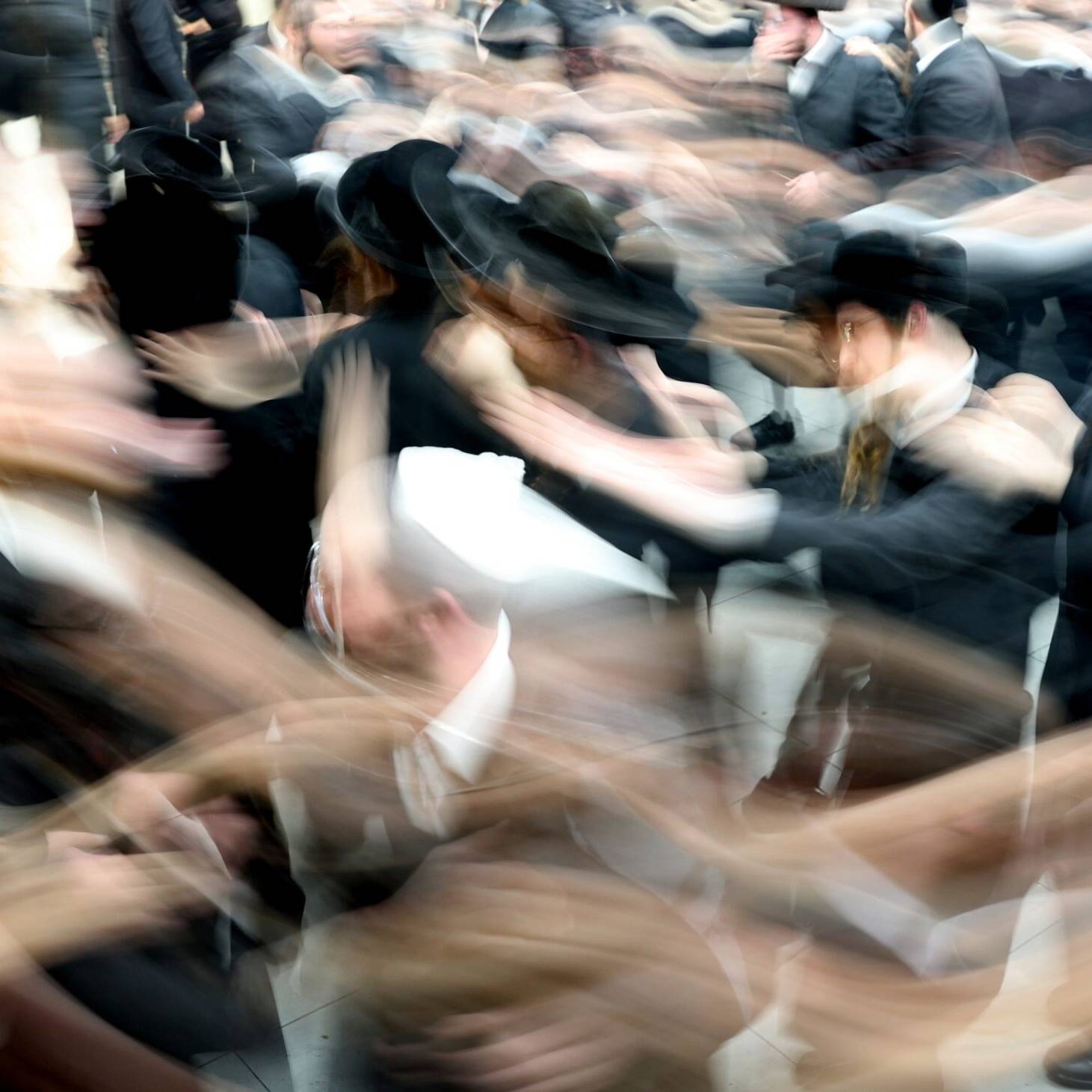
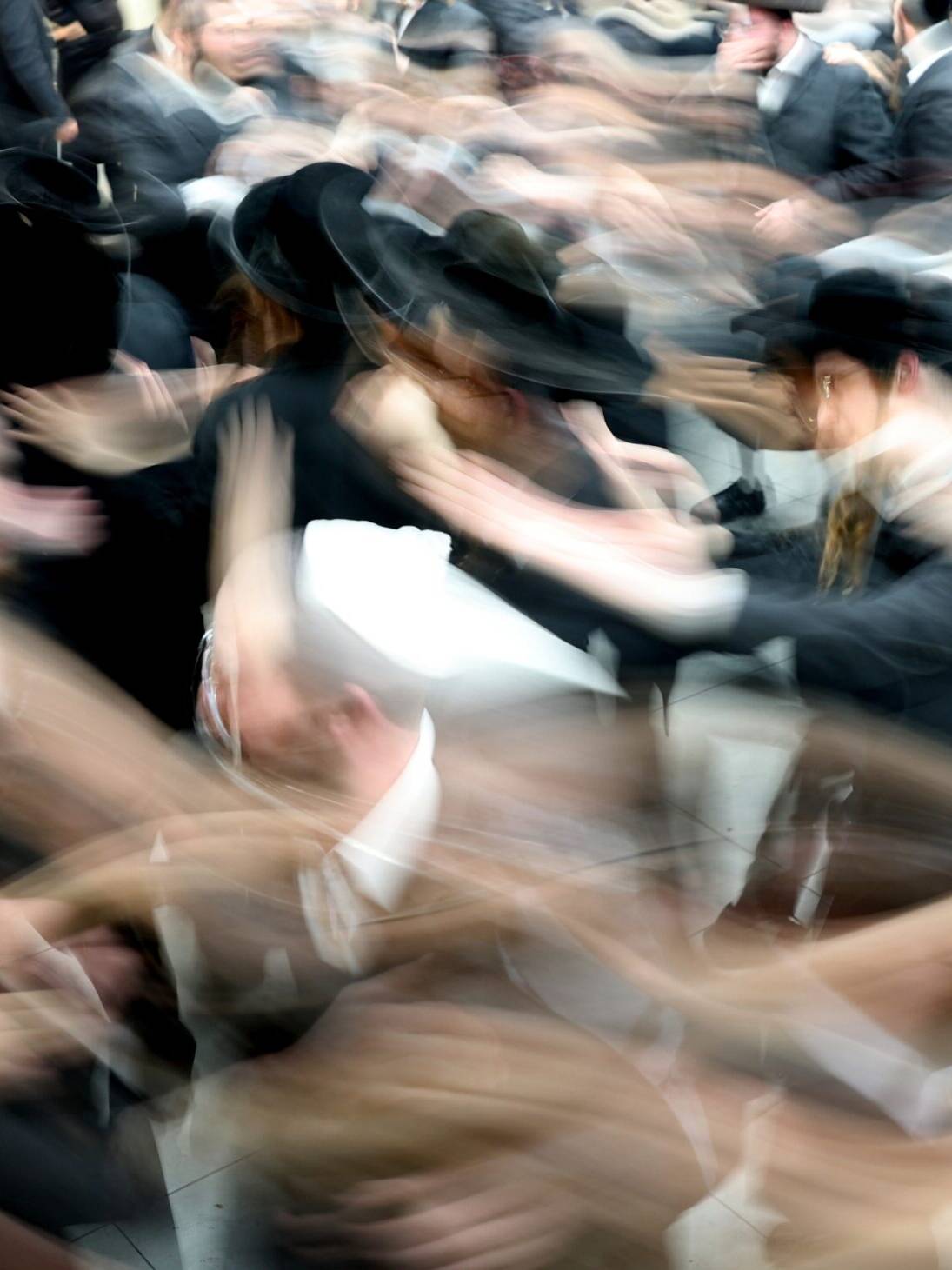
Hasidism is a movement within Judaism that emerged in 18th-century Eastern Europe and remains an active branch of ultra-Orthodox (Haredi) Judaism today. It emphasizes deep religious devotion, joyful spiritual practice, strict observance of Jewish law, mystical teachings rooted in Kabbalah, and the guidance of charismatic spiritual leaders known as rebbes.
Hungary
Yiddish
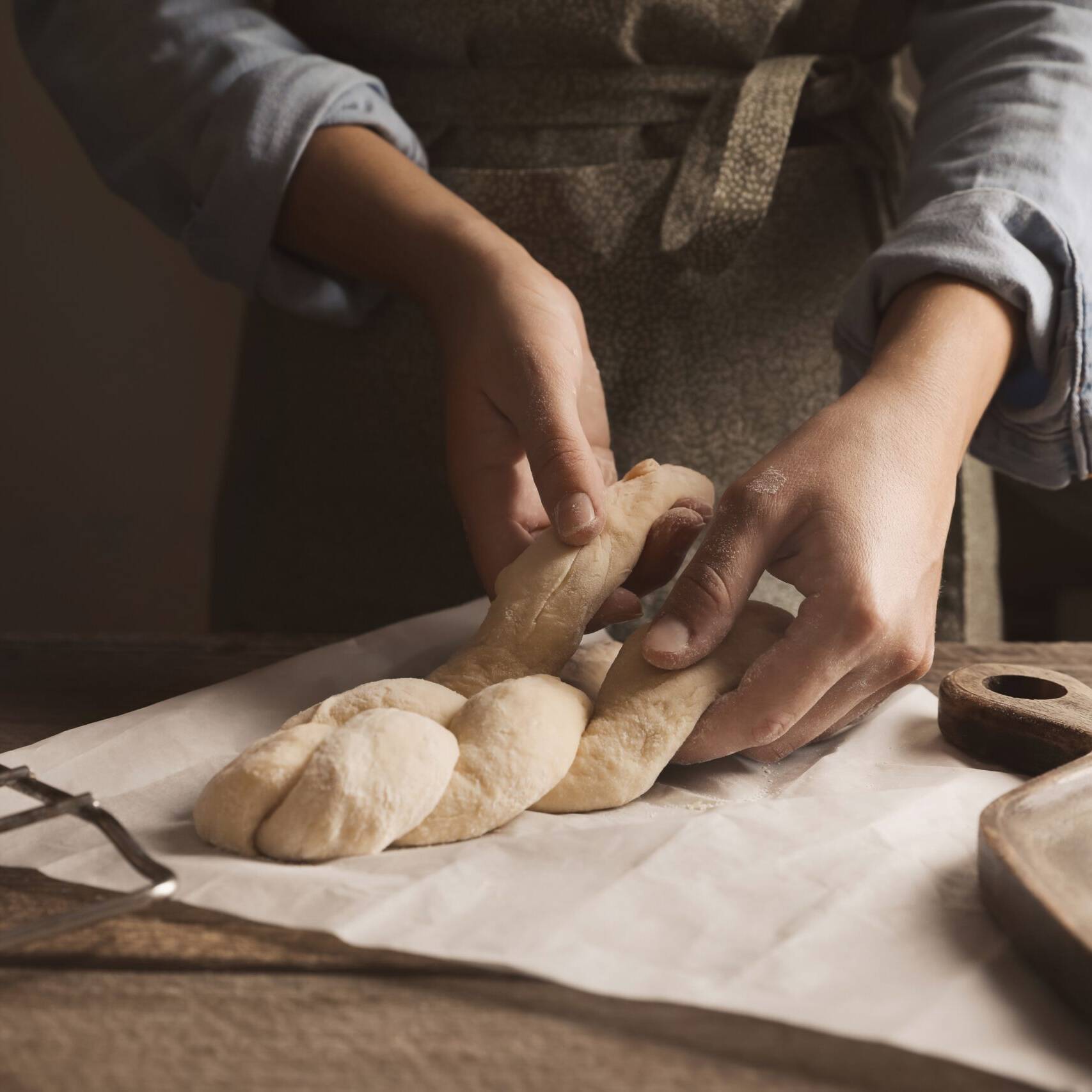
Kashrut, the Jewish dietary tradition, shapes not only what Jews eat but also how food is prepared, served, and shared. More than a set of dietary rules, it transforms the everyday act of eating into a conscious expression of faith, discipline, and respect for life. Through kashrut, the dining table becomes a place where spirituality is lived every day.
Albania
All languages

Tikkun Olam (תיקון עולם), meaning "repairing the world," is one of Judaism's most inspiring ideas. It teaches that the world, though fundamentally good, is unfinished, and that every person has the responsibility to help make it more just, compassionate, and whole. Through everyday actions, ethical choices, and acts of kindness, each individual becomes a partner in improving creation.
Albania
All languages
Tzedakah is often translated as "charity," but its true meaning is much deeper. Derived from the Hebrew word for "justice" or "righteousness," it reflects a fundamental Jewish belief: caring for those in need is not an act of generosity alone, but a moral responsibility. Through tzedakah, compassion becomes action, dignity is preserved, and communities are strengthened.
Albania
All languages
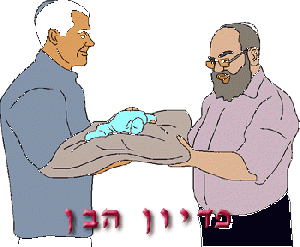
Pidyon haben-redemtion of the first born
A pidyon haben, or "redemption of the firstborn son," is a ceremony wherein the father of a firstborn male redeems his son by giving a kohen (a priestly descendent of Aaron) five silver coins, thirty days after the baby's birth.
Azerbaijan
Hebrew
KEEPING MEMORY ALIVE