18 May 2026
Halitzah: The Ceremonial release from levirate marriage
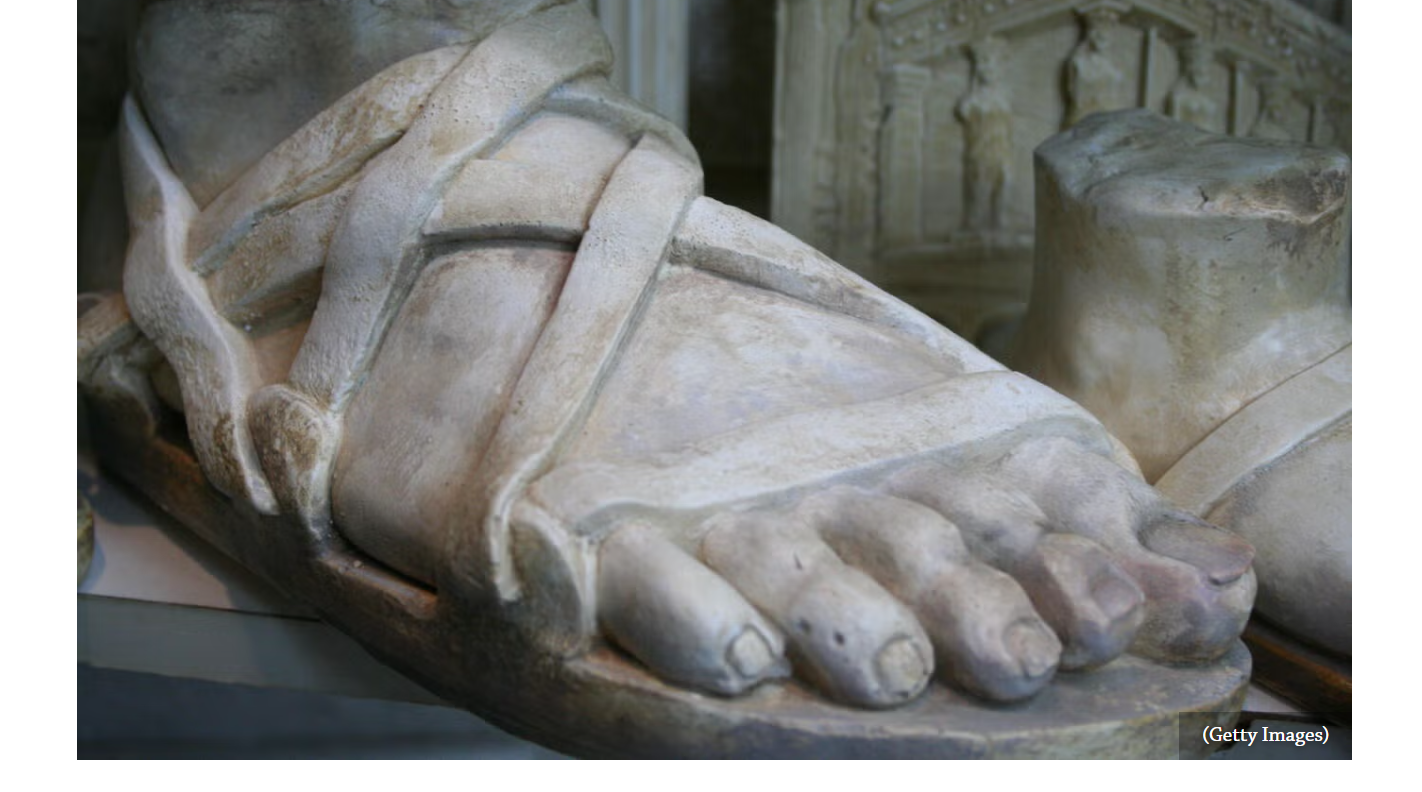
Halitzah (pronounced chah-LEE-tzah) is a rarely performed ceremony by which the brother of a childless deceased man is released from the biblical obligation of marrying his late brother’s wife and carrying on the family line by having a child with her. The word itself is derived from the Hebrew root meaning “extract,” which refers to the removal of the surviving brother’s shoe as part of the ritual.
The source of this ritual is found in the Book of Deuteronomy, which states that if a man dies without having borne a child, his brother is obligated to marry his widow — a practice known as yibbum, or levirate marriage. If the man refuses, the obligation can be nullified through the ritual of halitzah. The basic outlines of this ritual is described in the biblical text. But if that party does not want to take his brother’s widow, his brother’s widow shall appear before the elders in the gate and declare, “My husband’s brother refuses to establish a name in Israel for his brother; he will not perform the duty of a levir.” The elders of his town shall then summon him and talk to him. If he insists, saying, “I do not want to take her,” His brother’s widow shall go up to him in the presence of the elders, pull the sandal off his foot, spit in his face, and make this declaration: “Thus shall be done to the man who will not build up his brother’s house!”