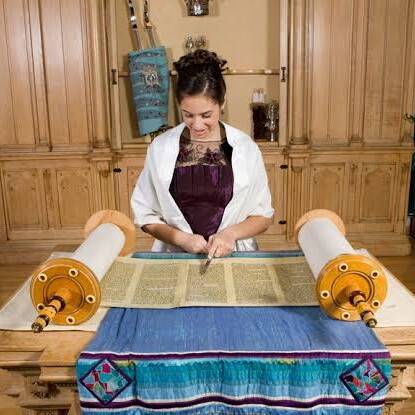
Bar and Bat mitzvah, Jewish religious ritual and family celebration commemorating the entrance into religious adulthood. This coming-of-age ceremony, which entails a child’s first public reading from the Torah during a synagogue service, celebrates the child’s taking on full responsibility to follow the commandments (mitzvot) of Jewish life.Historically, this ceremony was observed only by boys upon turning 13 and more recently also by girls turning 12.
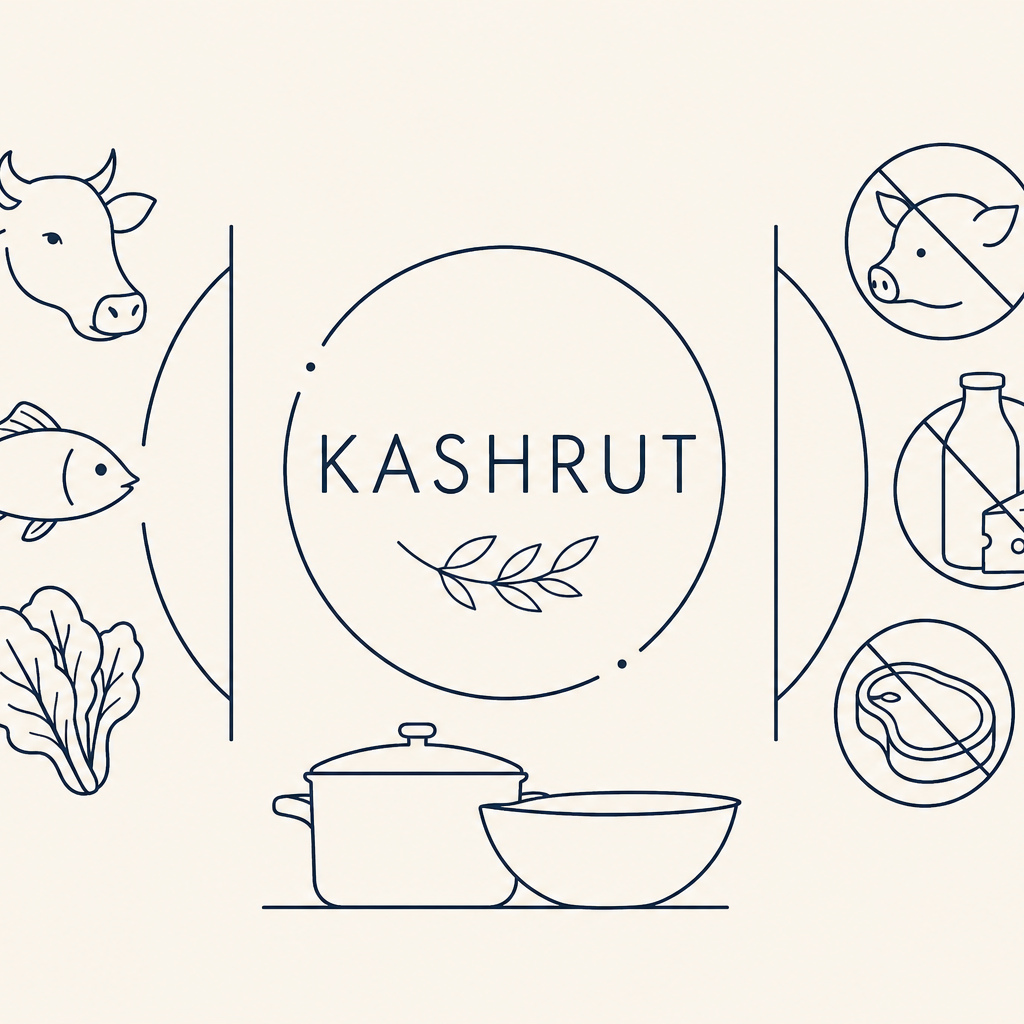
Kashrut, the Jewish dietary tradition, shapes not only what Jews eat but also how food is prepared, served, and shared. More than a set of dietary rules, it transforms the everyday act of eating into a conscious expression of faith, discipline, and respect for life. Through kashrut, the dining table becomes a place where spirituality is lived every day.
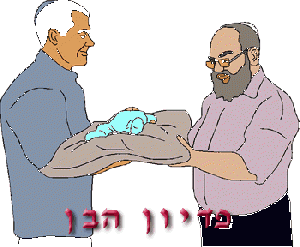
Pidyon haben-redemtion of the first born
A pidyon haben, or "redemption of the firstborn son," is a ceremony wherein the father of a firstborn male redeems his son by giving a kohen (a priestly descendent of Aaron) five silver coins, thirty days after the baby's birth.
Not Wearing Shoes of the Deceased
It is customary to avoid wearing the shoes of a deceased person, as this is associated with spiritual danger.

Kohanim removing shoes before blessing
An interesting practice involving the Kohanim (members of the priestly clan) states that before blessing the Jewish people on special occasions (a ceremony known as Birkat Kohanim), they remove their shoes. The reason? To avoid a scenario where a Kohen might lag behind to tie a torn shoelace and miss the blessing, causing onlookers to suspect he may not actually be a Kohen.
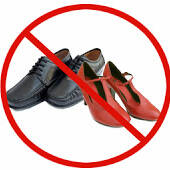
Wear non-leather footwear twice a year
On Yom Kippur, the Torah instructs us to “afflict” ourselves as part of the day’s atonement.3 One of the five ways we fulfill this obligation is by not wearing leather footwear. On Tisha B’Av, we similarly avoid leather shoes as a sign of mourning over the destruction of the Holy Temple. Instead, people wear non-leather sandals, sneakers, or slippers—often simply called “Yom Kippur shoes” or “Tisha B’Av shoes” in many Jewish homes.
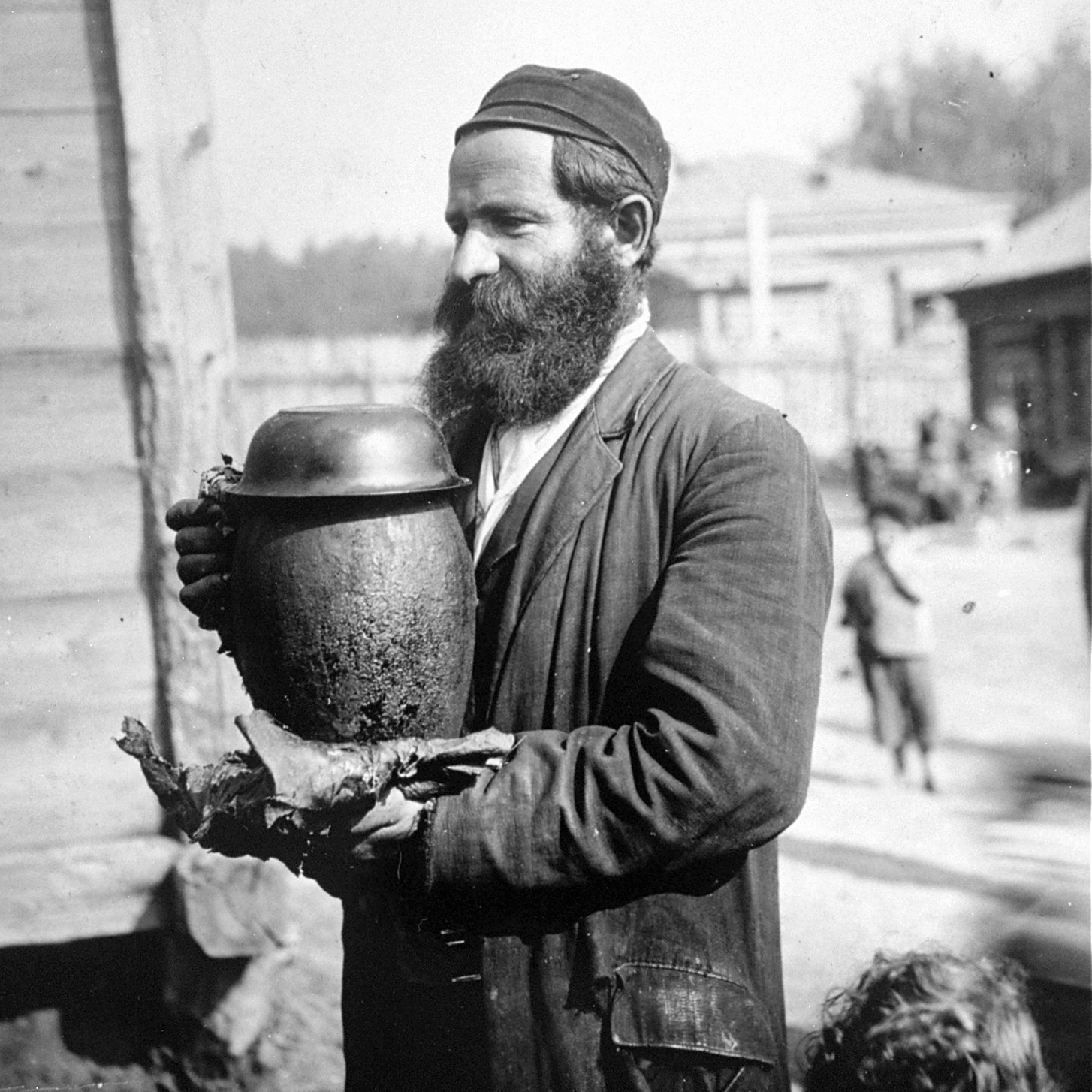
Cholent the comfort food for Shabbat
Traditionally prepared on Friday afternoon and then left to simmer overnight on a hotplate or slow-cooker, cholent is a supper and lunch staple for Orthodox Jews committed to properly observing the Sabbath and providing a hot lunch or supper to hungry family members.
kashrut-the Jewish dietary laws
The familiar saying, “You are what you eat,” suggests that our food choices reflect who we are. In Judaism, this idea is expressed through the laws of kashrut. Although many people today see these dietary laws as outdated, Jewish tradition invites us to reconsider their deeper purpose and what they reveal about Jewish identity and values.
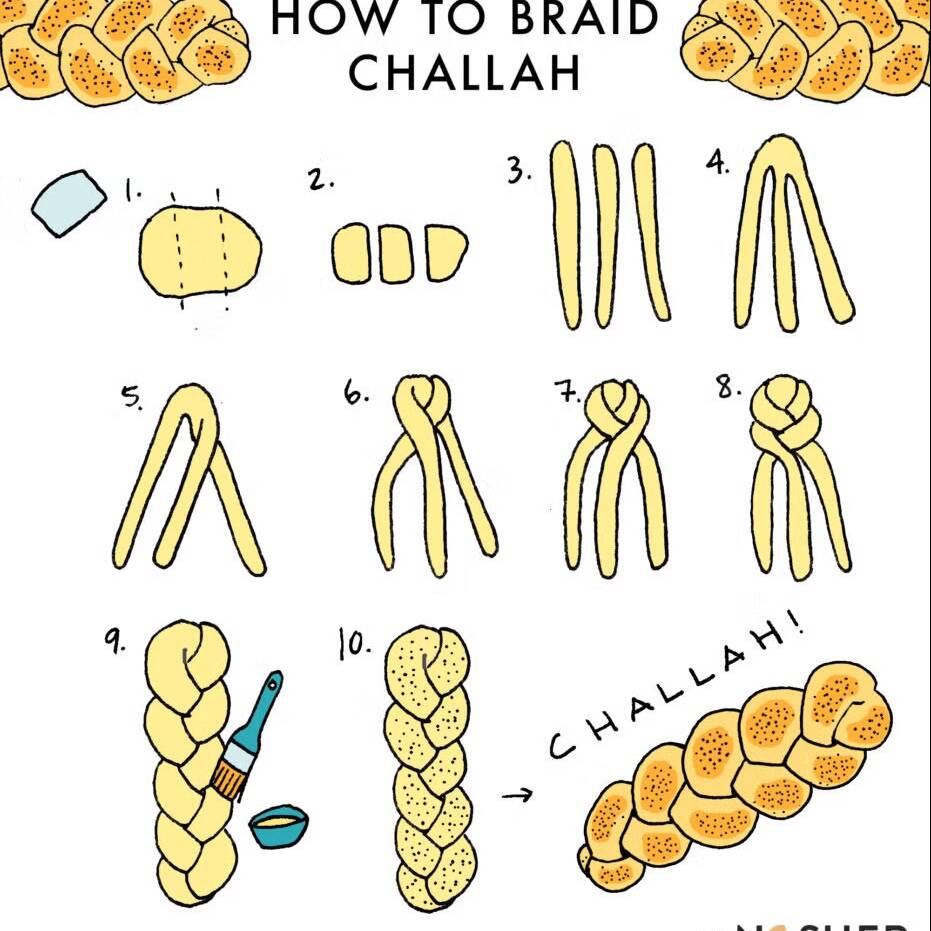
Classical Challah bread recipe
The evolution of challah is important to preserve because it tells a much larger story than the history of a single bread. It embodies the continuity of Jewish tradition, the resilience of Jewish communities, and their ability to maintain a distinct religious identity while engaging creatively with the cultures around them. Every variation of challah reflects a different chapter in the Jewish diaspora, revealing how ritual remained constant even as ingredients, techniques, and local customs.
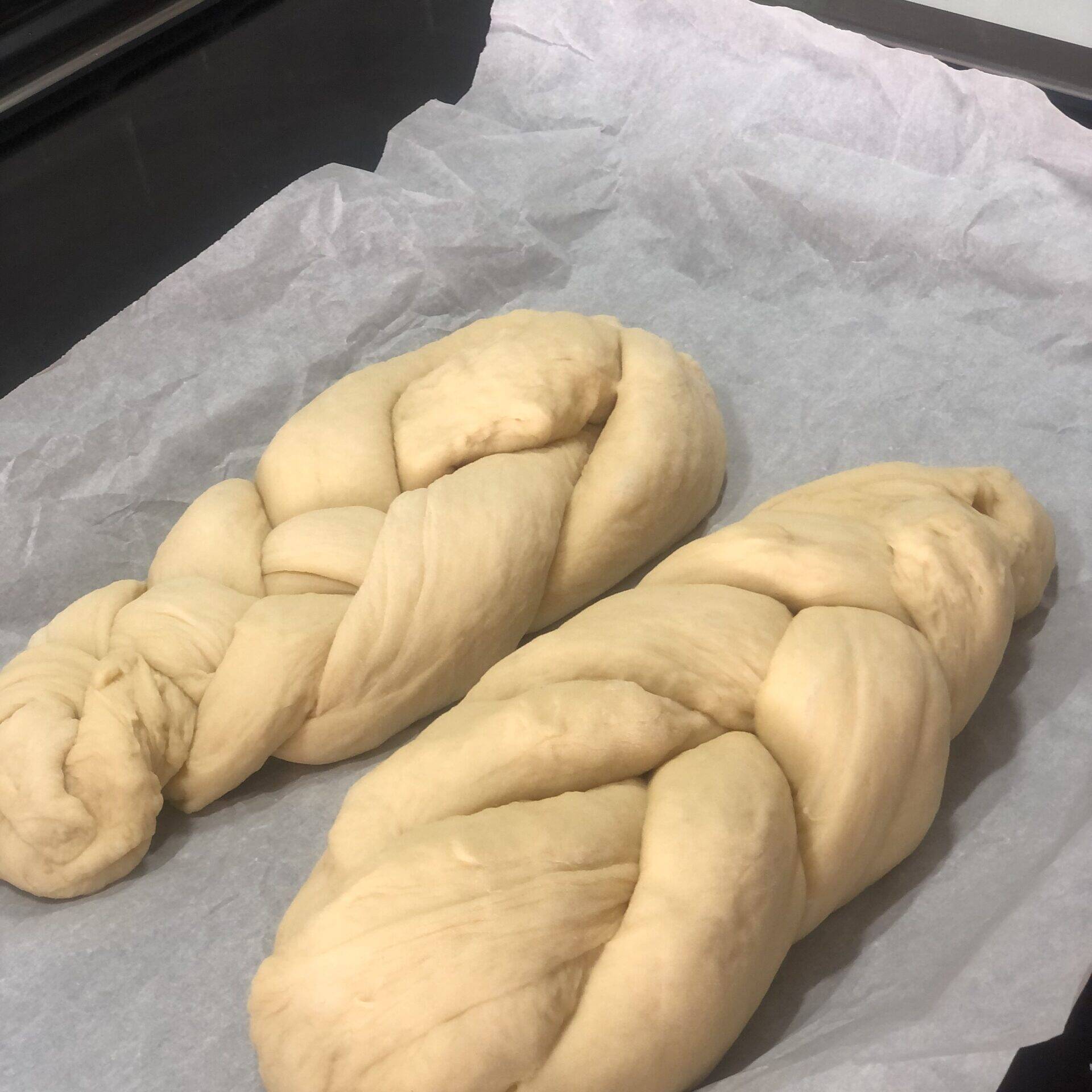
Jews eat challah on Shabbat to honor the holiness of the day and commemorate the double portion of manna that, according to the Bible, God provided to the Israelites in the desert before the Sabbath, so that no gathering of food would be necessary on the day of rest. The two loaves placed on the Shabbat table symbolize this double portion and express gratitude, blessing, and the joy of sharing a festive meal with family and community.