(e.g. lullabies, blessings, proverbs, storytelling, survival tales and testimonies, folktales, legends, proverbs, family stories, individual stories, survivor recollections and testimonies, traditional recipes, kashrut observance, holiday food customs, regional Jewish cuisines, linguistic heritage-Hebrew, Yiddish, Ladino, Judeo-Arabic and other Jewish languages; linguistic expressions and idioms.)
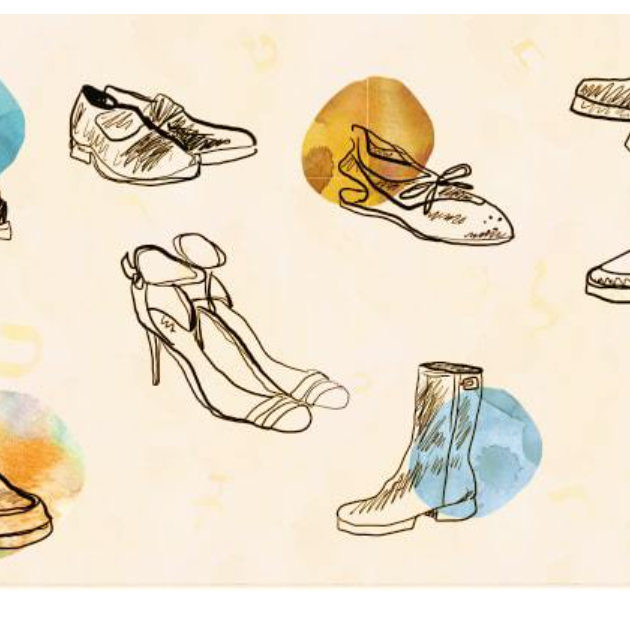
If a friend buys a beautiful new pair of leather shoes, Jewish tradition encourages a thoughtful choice of words when offering congratulations. Rather than wishing them to "wear them out and get a new pair," some avoid this expression because it implies the unnecessary use of another animal's life. Instead, the custom reflects the Jewish value of compassion toward all living creatures, echoing the teaching that "God's mercy is upon all His creations." But there is no prohibition on wearing them.
An interesting practice involving the Kohanim (members of the priestly clan) states that before blessing the Jewish people on special occasions (a ceremony known as Birkat Kohanim), they remove their shoes. The reason? To avoid a scenario where a Kohen might lag behind to tie a torn shoelace and miss the blessing, causing onlookers to suspect he may not actually be a Kohen.
Every morning, Jews recite a series of blessings thanking G‑d for everyday gifts. One of these blessings is: “Blessed are You … Who has provided me with my every need.” Which specific need are we thanking G‑d for? Shoes, which allow us to go about our daily business!4 (This blessing is omitted on Yom Kippur and Tisha B’Av, when we don’t wear regular shoes.)
Traditionally prepared on Friday afternoon and then left to simmer overnight on a hotplate or slow-cooker, cholent is a supper and lunch staple for Orthodox Jews committed to properly observing the Sabbath and providing a hot lunch or supper to hungry family members.
Being hidden Jews in especially Eastern Europe and the United States, my father’s families and some of my mother’s families did what they could to leave hints that we are Jewish.
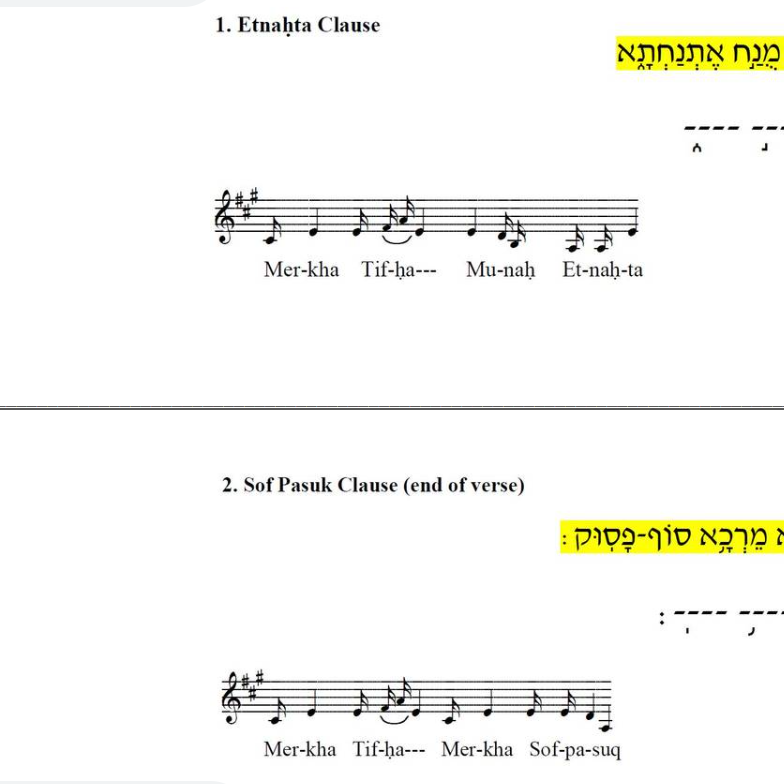
Torah reading tropes or cantillation marks, are an important part of intangible Jewish heritage. These musical symbols guide the chanting of the Torah during synagogue services, determining melody, rhythm, phrasing, and emphasis. Passed orally for centuries before being codified in written form, the tropes preserve the traditional pronunciation and interpretation of the sacred text.
Pilpul (Hebrew: פלפול, loosely meaning 'sharp analysis'; from פִּלְפֵּל (pilpel) 'pepper') is a method of studying the Talmud through intense textual analysis in attempts to either explain conceptual differences between various halakhic rulings or to reconcile any apparent contradictions presented from various readings of different texts.
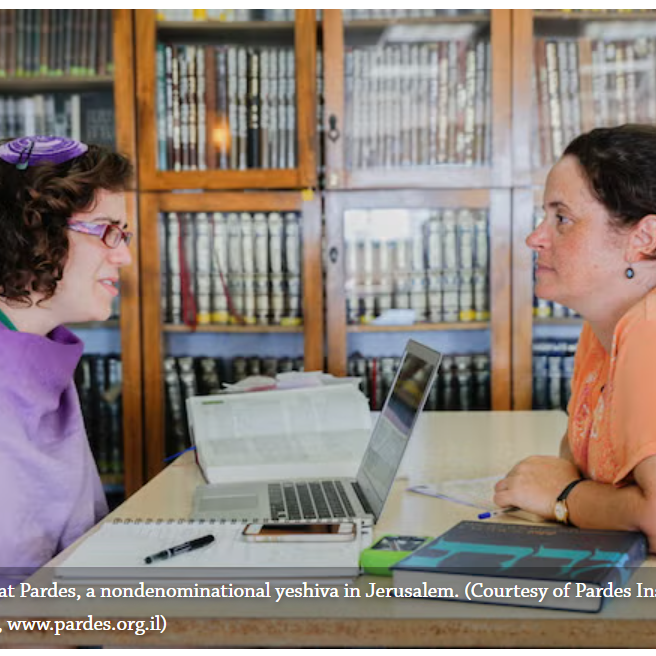
ews seldom study Torah alone; the study of Torah is, more often than not, a social and even communal activity. Most commonly, Jews study Jewish texts in pairs, a method known as havruta (“fellowship”). In havruta, the pair struggles to understand the meaning of each passage and discusses how to apply it to the larger issues addressed and even to their own lives.
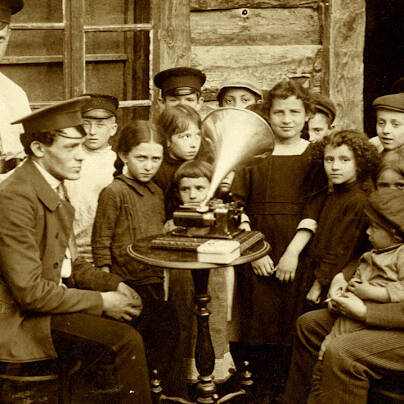
The topic of Jewish folk music in Eastern Europe encompasses an entire musical universe: folksong, klezmer music, liturgical music and cantorial performance, the badkhn (the wedding jester), folk dance, and more. These traditions are deeply interconnected, and each could itself become the subject of several lectures.