6 July 2026
Cholent the comfort food for Shabbat
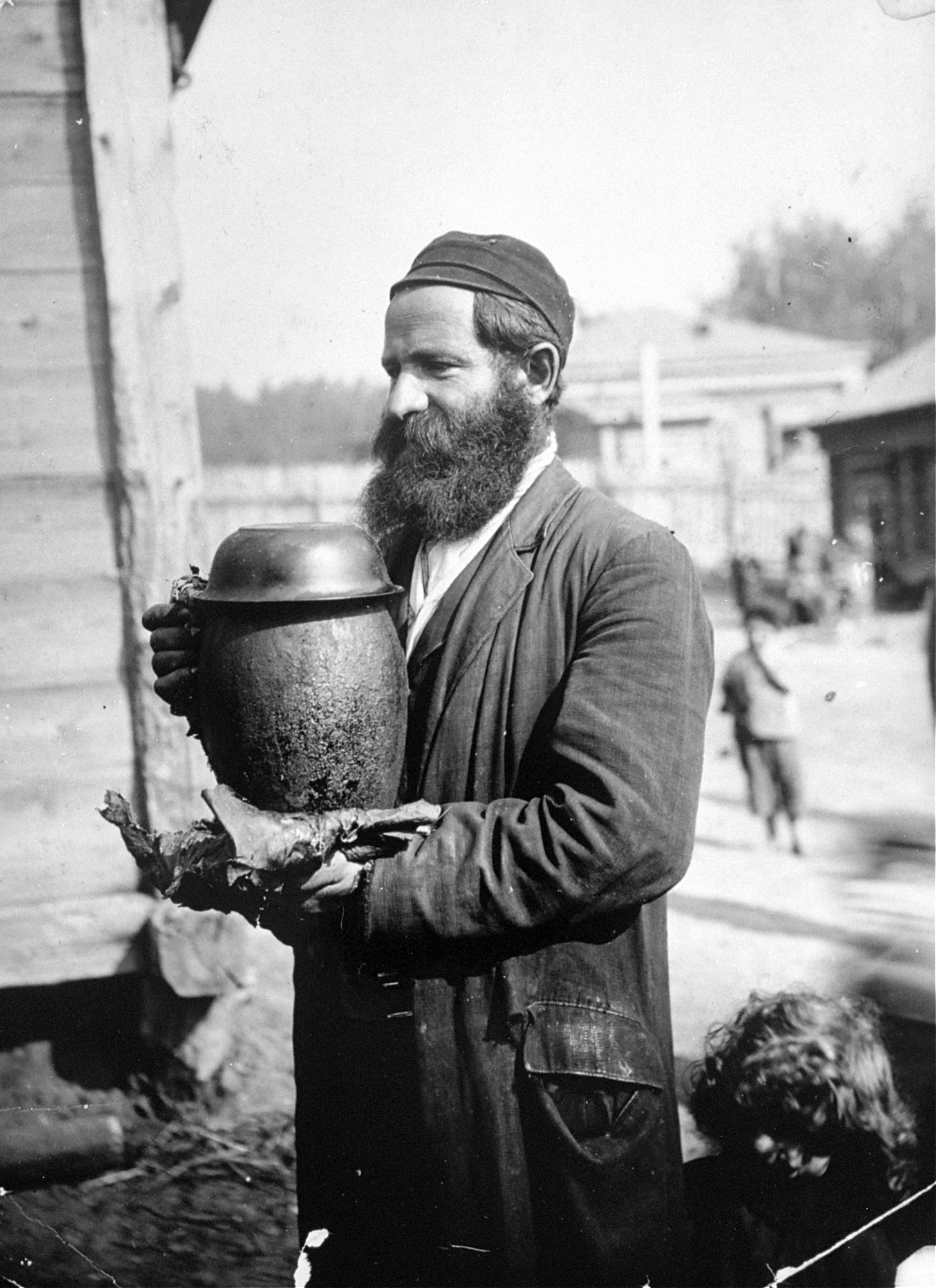
Traditionally prepared on Friday afternoon and then left to simmer overnight on a hotplate or slow-cooker, cholent is a supper and lunch staple for Orthodox Jews committed to properly observing the Sabbath and providing a hot lunch or supper to hungry family members.
When it comes to what’s in a name, there’s some debate. For years, most have considered [cholent] to be a compound word coming from the French chaud (“hot) and lent (“slow”) or of chaudes lentes (“hot lentils”). Competing with this definition is also the theory that cholent is Hebraic in origin, coming from she-lan (“that rested [overnight]”) and referring to the practice of Jews keeping familial pots of cholent in their town’s baker’s ovens to cook.
Ingredients:
2 medium potatoes (350–400 g), peeled, cubed
2 medium onions (300 g), cubed
900 g flanken (bone-in beef), 4–6 pieces
½ tbsp coarse black pepper
150 g pearl barley
200 g dried light red kidney beans
3 tbsp chicken bouillon powder (30 g)
2 tbsp sweet paprika (15 g)
2 tbsp honey (40 g)
1 kishke (450 g)
750 ml water, or more if needed
Method
Layer the potatoes and onions in a large pot. Add the beef, barley, beans, pepper, bouillon, paprika, and honey. Pour in the water until the ingredients are just covered and place the kishke on top. Bring to a boil before Shabbat, then reduce to very low heat or place on a hot plate. Cook for about 10 hours, adding water only if necessary. Serve hot for the traditional Shabbat lunch.
Bibliography / Sources
https://www.myjewishlearning.com/the-nosher/the-brief-history-of-cholent-and-why-you-should-be-eating-it/
https://encyclopedia.yivo.org/media/973
https://encyclopedia.yivo.org/article/2139