21 May 2026
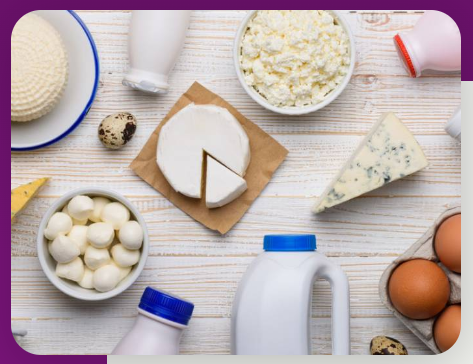
The tradition of eating milk products on Shavuot
Scholars who trace all Jewish customs and rituals to practices common among various ethnic groups claim that spring harvest festivals characteristically featured dairy dishes, perhaps because cheese was produced during that season.
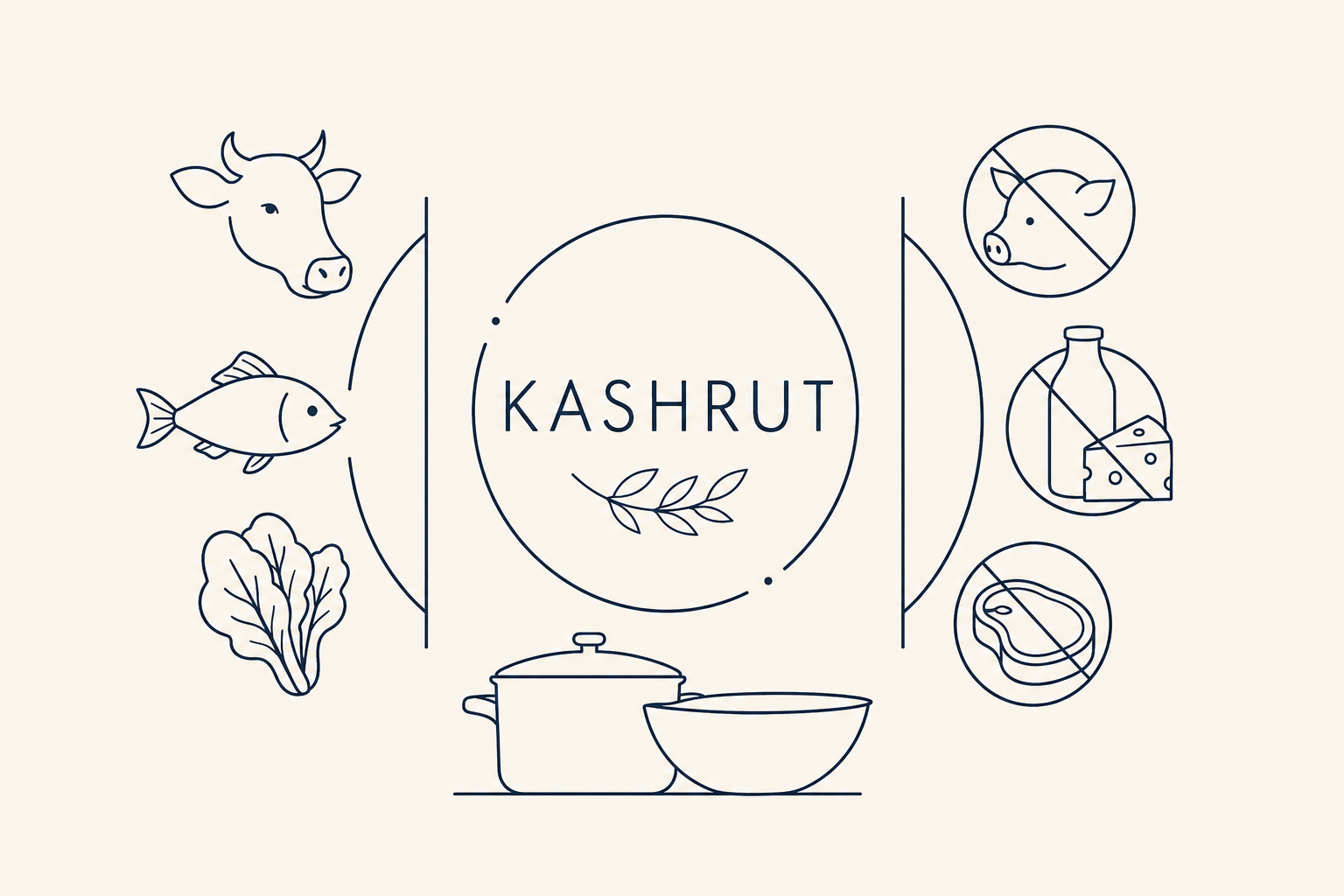
There is also support for the custom based on the spiritual development among the Israelites in the wake of Sinai. After the Torah was given, they were obligated to follow its laws, including those governing dietary practice. As they returned to the camp from Revelation, they could not eat the previously prepared meat, which had not been done according to the laws of kashrut [dietary restrictions]. Since butchering and cooking fresh meat would take too long for the tired, hungry Israelites, they took the dairy food that was readily available. Symbolizing modesty, the dairy was also seen as appropriate for the occasion of receiving the Torah, which should always be approached with humility.
In some Jewish communities, it is customary to follow the traditional dairy meal with a meat dish (after waiting the requisite 30 minutes per the laws of kashrut, except in places where the rabbis waived the normal separation). The two foods represent the two loaves brought on the festival. We are also supposed to eat meat as a contribution to our joy on a festival day. This can cause practical problems, however, not only in terms of the time lapse, but because you cannot mix milk and meat dishes and utensils.