20 May 2026
Tora reading tropes
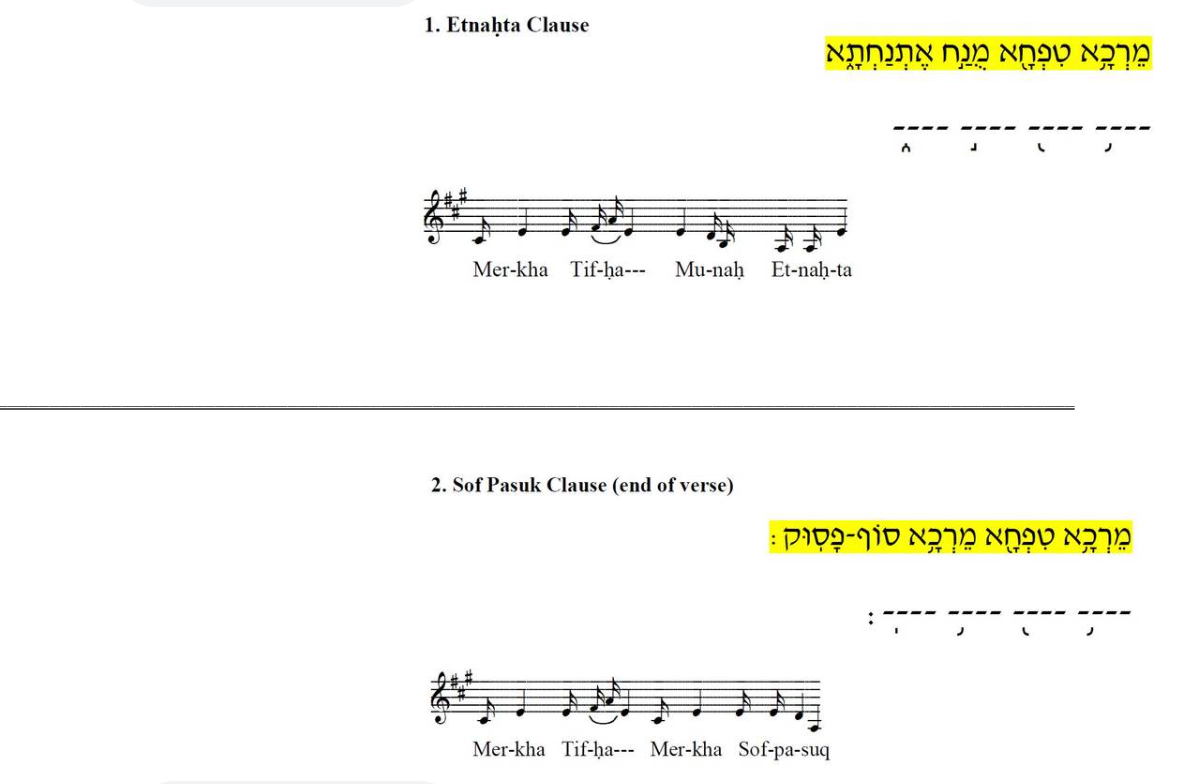
When Torah is chanted out loud, this is called ‘leyning’ (Yiddish: “to read”). Symbols above or below the words, known as te’amim, indicate how to parse the word grammatically and also how to chant the word with the correct emphasis and what melody to use. There are a number of different melodic systems – or trope – that can be used to chant the Torah and indeed other texts within our tradition. Each leyning family has a number of variants, which you can hear. Each trope has both a musical and grammatical function, helping readers convey meaning and emotion while maintaining the structure of the biblical passages. Different Jewish communities, including Ashkenazi, Sephardic, and Mizrahi traditions, developed distinct melodic styles for the same cantillation system.
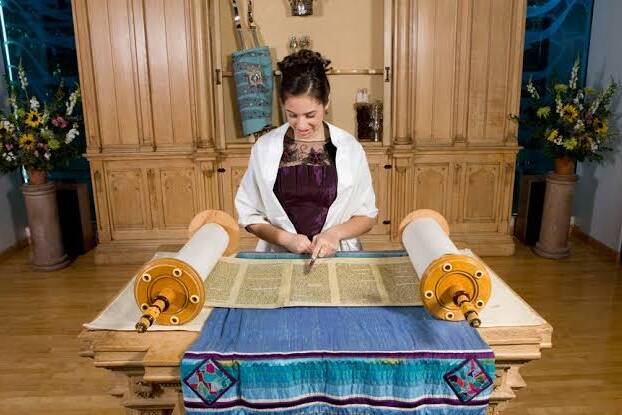
Torah tropes transform the reading of scripture into a spiritual and communal experience, connecting worshippers with generations of tradition through sound, memory, and ritual performance. The cantillation of the Torah has to be carried out according to more or less fixed melodic patterns. The sequence of these melodic patterns (ta‘amim, or tropes), though not their actual melodic shape, has been codified since the ninth century. A Torah reader (ba‘al kore’) is often an appointed person. The reading of selected prophetic texts (Haftarahs) which follows the Torah cantillation, is done by any knowledgeable person, but also follows fixed melodic patterns.