20 May 2026
Kabbalah
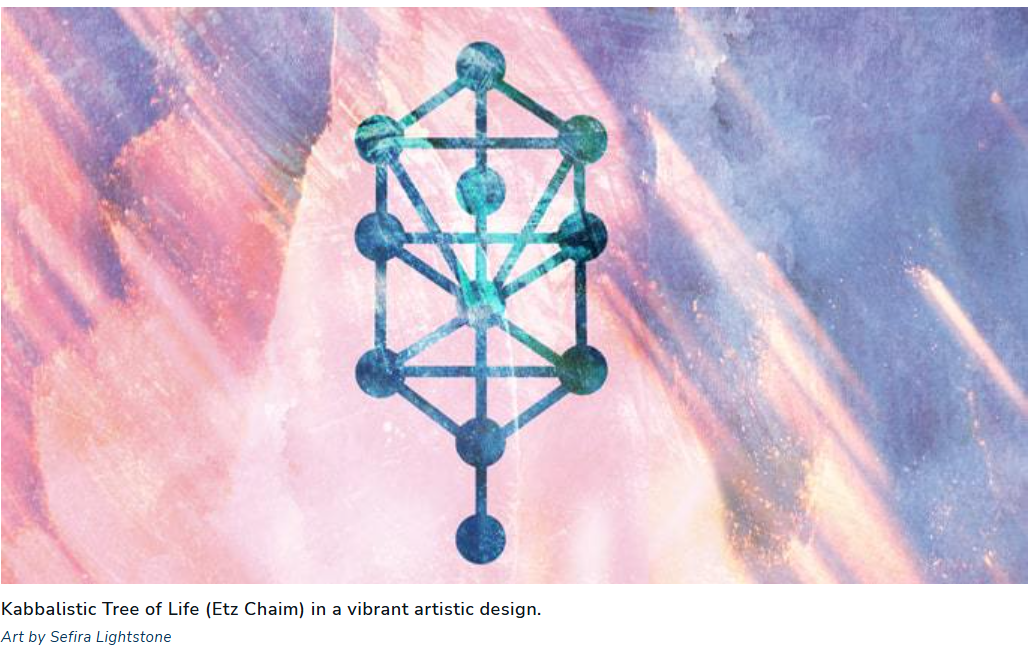
Kabbalah is the mystical dimension of Judaism, exploring the hidden meaning of creation, the Divine, and humanity’s spiritual purpose. Its most important text is the Zohar (“Radiance”), traditionally attributed to Rabbi Shimon bar Yochai and his disciples. Other key works include Sefer Yetzirah, Sefer ha-Bahir, and later writings such as Pardes Rimonim by Rabbi Moshe Cordovero and the teachings of Rabbi Isaac Luria, known as the Arizal.
Rabbi Shimon bar Yochai, a student of Rabbi Akiva, was one of the earliest and most influential teachers of Kabbalah. His teachings form the foundation of the Zohar. In the 13th century, Rabbi Moshe ben Nachman (Ramban or Nachmanides) integrated mystical ideas into his Torah commentary, helping connect Kabbalah with mainstream Jewish scholarship. After the Zohar resurfaced in Spain, scholars such as Menachem Recanati, Moshe Zacuto, and Moshe Cordovero expanded and explained its teachings.
Kabbalah experienced a major revival in 16th-century Safed, especially through the Arizal. He introduced concepts such as tzimtzum, the idea that G-d concealed His infinite light to allow creation to exist, and taught that human actions help elevate Divine sparks within the world.
Traditionally, Kabbalah was studied only by advanced scholars. Later, the Baal Shem Tov and Rabbi Schneur Zalman of Liadi made its teachings more accessible through Hasidism, emphasizing joy, prayer, and connection to G-d in everyday life.