13 May 2026
Jewish Folklore in Eastern Europe
These traditions expressed the everyday experiences, humor, fears, hopes, and values of Jewish communities and helped preserve a shared cultural identity. Yiddish folk songs, tales of demons and spirits, wedding customs, proverbs, and storytelling traditions reflected both Jewish religious heritage and the influence of surrounding Eastern European cultures. Folklore became a way for communities to interpret life, explain suffering, celebrate joy, and maintain connections between generations.
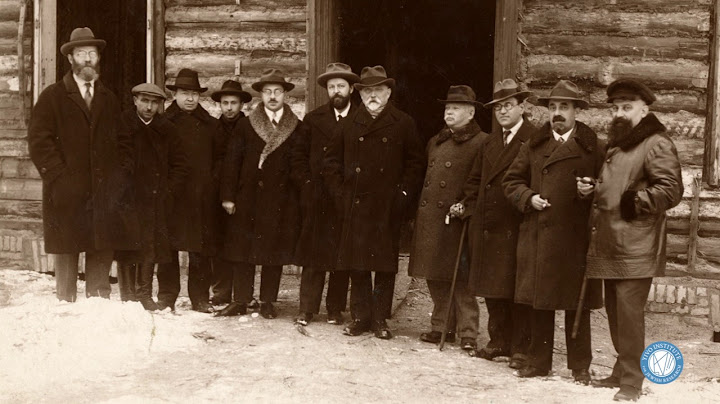
The collection and study of Jewish folklore began in the late nineteenth century, when scholars, writers, and collectors recognized the importance of preserving these oral traditions during a period of rapid social change, migration, and secularization. Major collectors such as Max Grunwald, Shaul Ginzburg, Peysekh Marek, Yehude-Leib Cahan, and others documented Yiddish songs, tales, and customs before many disappeared.
Today, Jewish folklore is recognized as an important form of intangible cultural heritage because it preserves the voices and cultural memory of Eastern European Jewish communities, many of which were destroyed during the Holocaust. Through folklore, later generations can continue to understand the emotional, spiritual, and social world of Jewish life in Eastern Europe.