(e.g. lullabies, blessings, proverbs, storytelling, survival tales and testimonies, folktales, legends, proverbs, family stories, individual stories, survivor recollections and testimonies, traditional recipes, kashrut observance, holiday food customs, regional Jewish cuisines, linguistic heritage-Hebrew, Yiddish, Ladino, Judeo-Arabic and other Jewish languages; linguistic expressions and idioms.)
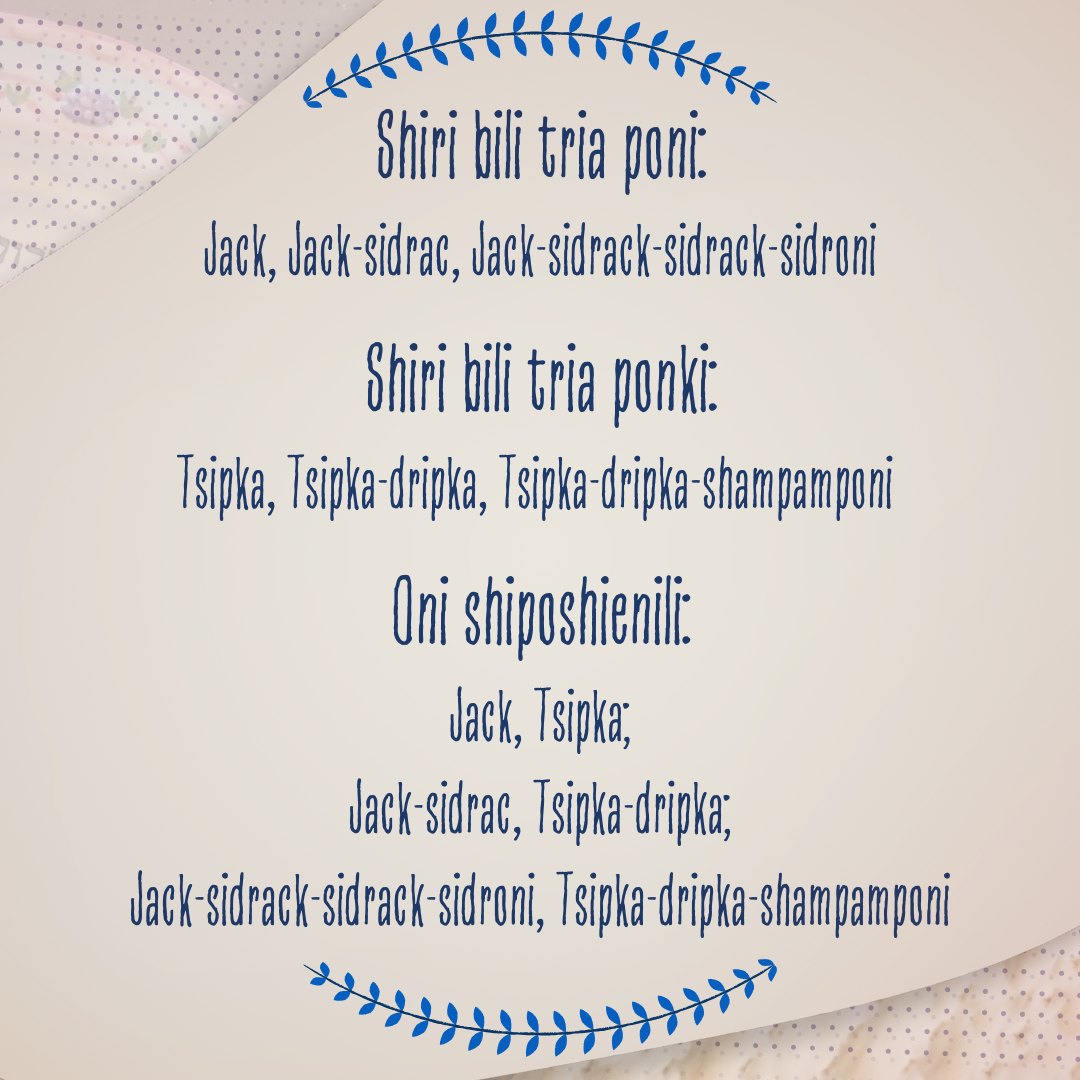
“Shiri bili tria poni” is a Jewish-Polish tongue-twister passed down in my family from my great-grandmother’s second husband, Tzvi. Recited during holidays like Passover and Rosh Hashanah, it became part of our ritual life. Though long thought to be nonsensical, it was later identified as a transformed version of a real Polish rhyme, shaped by migration across Poland, Israel, Argentina, and Spain.
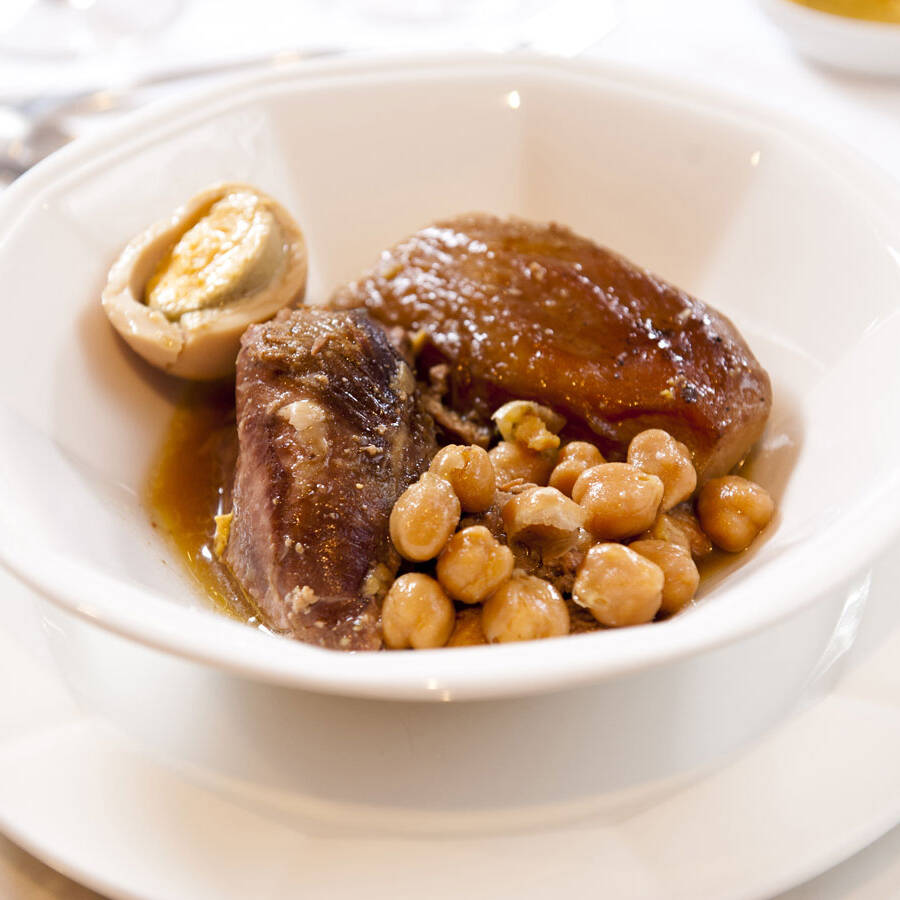
Adafina is a traditional Sephardic slow-cooked Sabbath stew originating in medieval Iberia. Prepared before the onset of Shabbat and left to cook overnight, it reflects religious observance, culinary adaptation and intergenerational transmission of knowledge. Preserved in North African Sephardic communities, it embodies continuity between medieval Sefarad and living Jewish culinary heritage.
Kogel mogel is a traditional egg-based dessert made from egg yolks, sugar, and flavorings. It’s usually served chilled or at room temperature, and when warm, it’s often used as a home remedy for sore throats.
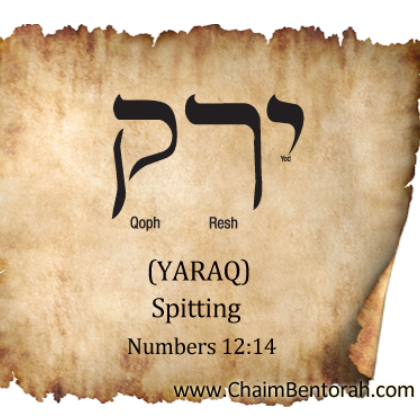
A protective utterance spoken after making a statement, meant to ward off bad luck, often paired with knocking on wood. The sound mimics spitting, which in folk belief was thought to drive away demons or negative influences.