11 August 2026
Yiddish Theater
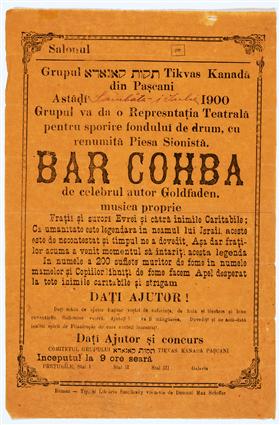
Yiddish theater grew from older Jewish performance traditions, particularly Purim plays, music, storytelling and popular entertainment. Modern professional Yiddish theater began in Iași, Romania, in 1876, when Avrom Goldfadn founded the first professional company. Combining drama, comedy, music and dance, it quickly spread across Eastern Europe and later to major Jewish communities around the world.
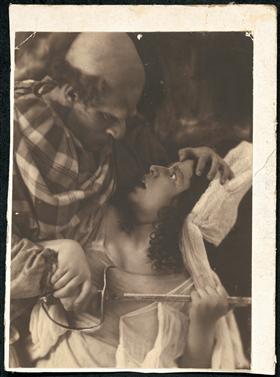
Yiddish theater became one of the most vibrant expressions of Jewish cultural life in Eastern Europe, combining drama, comedy, music, dance and social commentary. By the early twentieth century, theaters and travelling companies attracted large audiences, while Warsaw, Vilna, Bucharest, Iași and other cities developed important theatrical scenes. During the interwar period, professional and amateur Yiddish companies performed in hundreds of cities and towns, bringing theater to audiences from different social backgrounds.
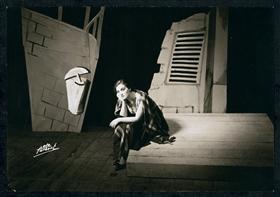
The repertoire ranged from popular melodramas and musical revues to literary and experimental theater. A landmark was the Vilner Trupe’s 1920 production of S. An-ski’s The Dybbuk, which travelled throughout Europe and became one of the best-known works of Jewish theater internationally. Cabaret, satire, puppet theater and children’s performances further enriched this diverse theatrical culture.
The Holocaust destroyed most of the communities that sustained Yiddish theater, yet performances continued even in ghettos and camps, where theater offered moments of cultural expression amid persecution. After the war, surviving artists revived Yiddish stages, particularly in Poland and Romania. Today, Yiddish theater remains an important form of intangible Jewish heritage, preserving not only a language and repertoire, but also gestures, humor, music, storytelling traditions and memories transmitted through performance.
Bibliography / Sources
https://encyclopedia.yivo.org/article/298