1 February 2026
Toi, toi, toi-tfu, tfu, tfu or pu, pu, pu
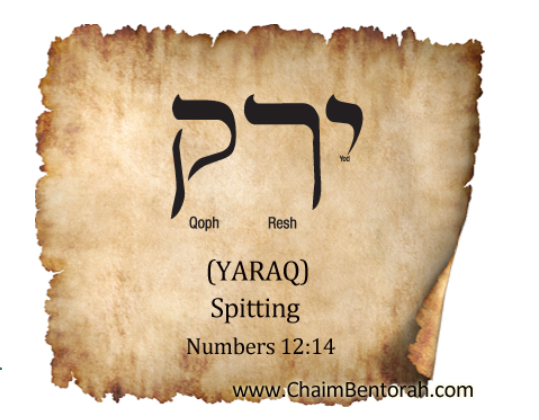
Throughout history, Jewish life has included various folk customs and superstitions. One such practice involves spitting three times in response to something especially good or frightening. This may be done literally or symbolically by saying “pooh, pooh, pooh,” a verbal substitute that developed as actual spitting came to be considered improper. The repetition of three is often explained by the belief in the special or mystical quality of that number. In earlier cultures, odd numbers were regarded as lucky, and three, as the first odd number after one, was seen as particularly powerful.
The exact origin of this custom is unknown. Some scholars propose that it was influenced by Christian traditions, including stories of healing through saliva attributed to Jesus. More broadly, similar practices appear in many cultures as reactions to moments of shock, fear, or admiration.
In folk belief, spitting functions as a protective act. It is performed after witnessing something alarming to prevent misfortune and after encountering something wonderful to guard against the Evil Eye—the belief that excessive attention or praise can cause harm. The gesture is thought to ward off deception, negative forces, or harmful spirits.