13 October 2025
Hasidic music from Maramures
The composer-musicologist Max (Miksa) Eisikovits travelled through the Jewish settlements in Maramureș in 1938–39 and collected roughly 160 songs from the local Hasidic population.
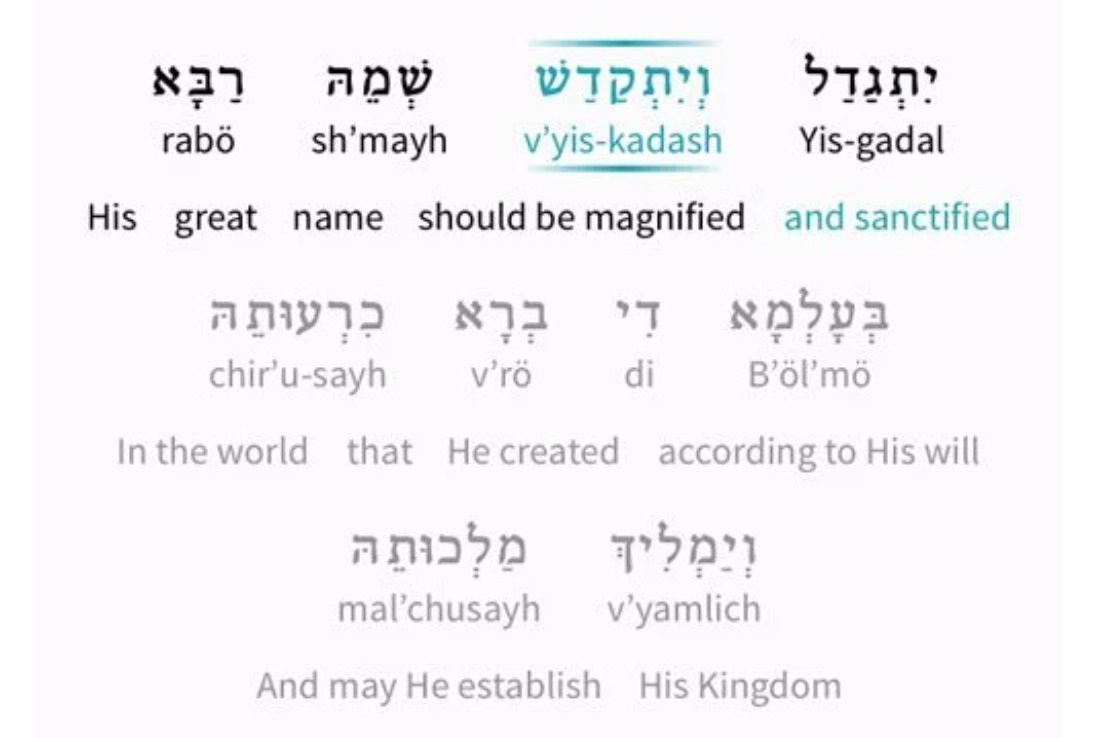
These songs include melodies (often nigunim, types of liturgical or spiritual songs) in Hebrew and Yiddish, and in many cases the texts are liturgical or ritua
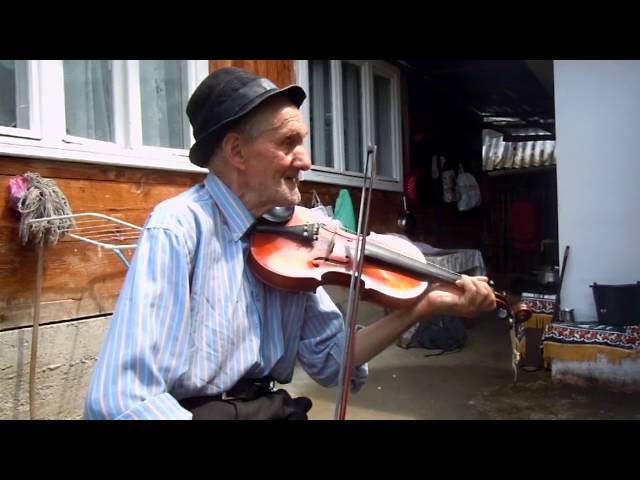
His collection has been published relatively recently under the title “És a halottak újra énekelnek …” : Eisikovits Miksa Máramarosi haszid zsidó zenei gyűjtemény (1938-1939) (“After All the Dead Sing Again …”) edited by Judit Elek. The tradition shows influences both from Hasidic Jewish musical culture (nigunim, ritual song-forms) and from the local folk music of the region (Romanian, Hungarian, possibly Ukrainian). Musicians in the region often played for Jewish and non-Jewish communities alike, so there was a lot of sharing of style.