1 February 2026
Costumes, Disguise, and Drag on Purim
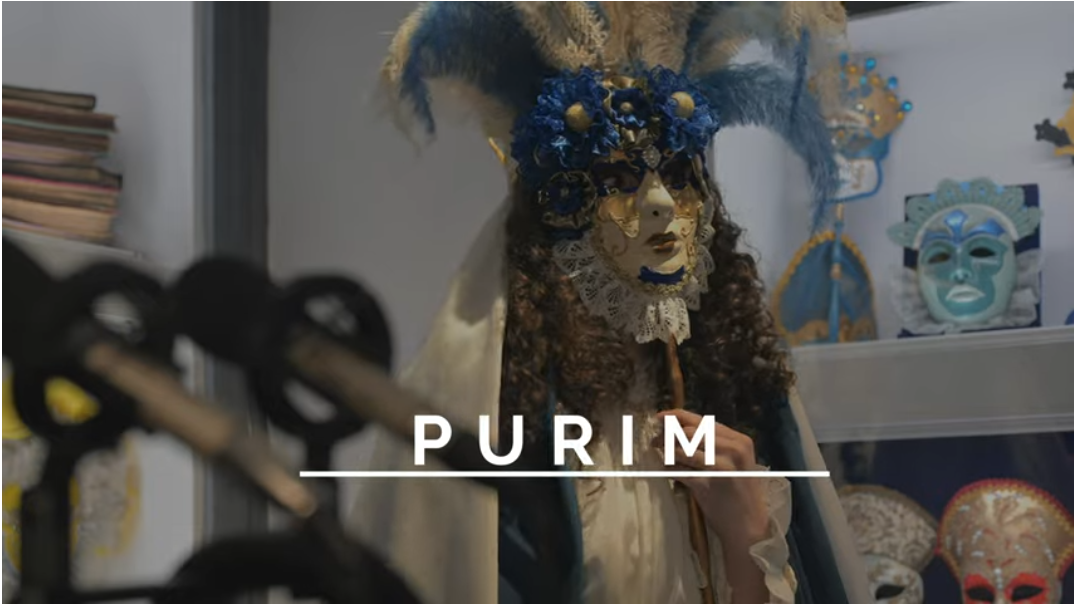
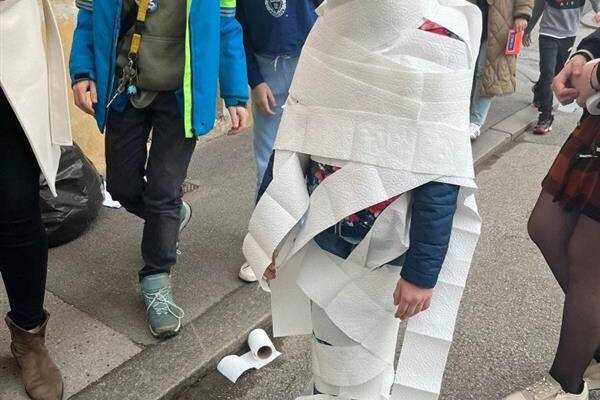
The costuming tradition expresses a central theme of Purim: that salvation unfolded through seemingly natural events, with divine intervention remaining hidden. Disguise reflects this concealment, symbolizing that outward appearances may mask deeper truths. Participants of all ages dress as biblical figures, historical characters, animals, or imagined beings, transforming homes, synagogues, schools, and public spaces into arenas of communal play and ritualized inversion.
Historically, rabbinic authorities permitted a temporary relaxation of social norms on Purim, allowing behaviors otherwise restricted, including cross-dressing and theatrical impersonation. This flexibility fostered a distinctive Jewish culture of masquerade, parody, and performance, from medieval carnival customs to Yiddish theater and later engagement with modern theatrical forms. In recent decades, Purim has also served as a ritual framework for contemporary drag performance, blending Jewish storytelling with gender-transgressive art. The custom serves theological, ethical, and narrative purposes. Theologically, it reflects the hidden nature of divine action in the Purim story. Ethically, disguises help protect the dignity of the poor during the mandated giving of charity by obscuring social distinctions. Socially, Purim costuming promotes joy, creativity, and intergenerational participation. Storytelling through dress strengthens communal memory and cultural continuity.