7 July 2026
Wear non-leather footwear twice a year
On Yom Kippur, the Torah instructs us to “afflict” ourselves as part of the day’s atonement. One of the five ways we fulfill this obligation is by not wearing leather footwear. On Tisha B’Av, we similarly avoid leather shoes as a sign of mourning over the destruction of the Holy Temple. Instead, people wear non-leather sandals, sneakers, or slippers—often simply called “Yom Kippur shoes” or “Tisha B’Av shoes” in many Jewish homes.
On Yom Kippur, the holiest day of the Jewish calendar, many Jews refrain from wearing leather footwear as part of the day’s practices of self-denial and spiritual reflection. Based on the biblical commandment to “afflict” oneself (Leviticus 16:29–31), rabbinic tradition identified wearing leather shoes as one of the physical comforts to be avoided, alongside eating, drinking, washing, anointing, and marital relations. Historically, leather footwear represented comfort, status, and protection, making its omission a symbolic act of humility and repentance. Today, leather shoes are typically replaced with footwear made from canvas, rubber, or other synthetic materials. The same practice is also observed on Tisha B’Av, the day commemorating the destruction of the First and Second Temples. Jewish mystical tradition adds another layer of meaning, linking leather garments to those given to Adam and Eve after the expulsion from the Garden of Eden (Genesis 3:21). By avoiding leather on Yom Kippur, worshippers seek to distance themselves from reminders of humanity’s first transgression and to approach the Day of Atonement in a spirit of purity, humility, and spiritual renewal.
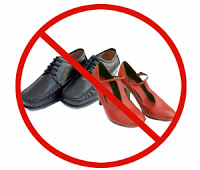
Risk of disappearingIn less observant Jewish communities, this tradition is gradually declining as religious fasting practices become less widely observed and the symbolic significance of avoiding leather footwear is less well understood. For many, Yom Kippur is increasingly experienced as a cultural or commemorative occasion rather than a day governed by detailed ritual observance, resulting in the loss of customs that once conveyed its spiritual meaning. At the same time, the widespread use of synthetic footwear has made the distinction between leather and non-leather shoes less visible, further diminishing awareness of the tradition.
Bibliography / Sourceshttps://www.chabad.org/library/article_cdo/aid/577480/jewish/Why-Sneakers-on-Yom-Kippur.htm