31 March 2026

Getting out of Egypt Pesach escape game

Scope:collectiveAt risk of disappearing?NoProtective status:NoLocation:CroatiaLanguages used:Hebrew and CroatianWho submits?organization

At the Elementary Jewish School Hugo Kon in Zagreb, Croatia one of the most beloved traditions comes to life each year just before Pesach. Since 2003, generations of students have taken part in a special activity known as the “Getting Out of Egypt” game, a creative and joyful way to experience the story of Exodus.

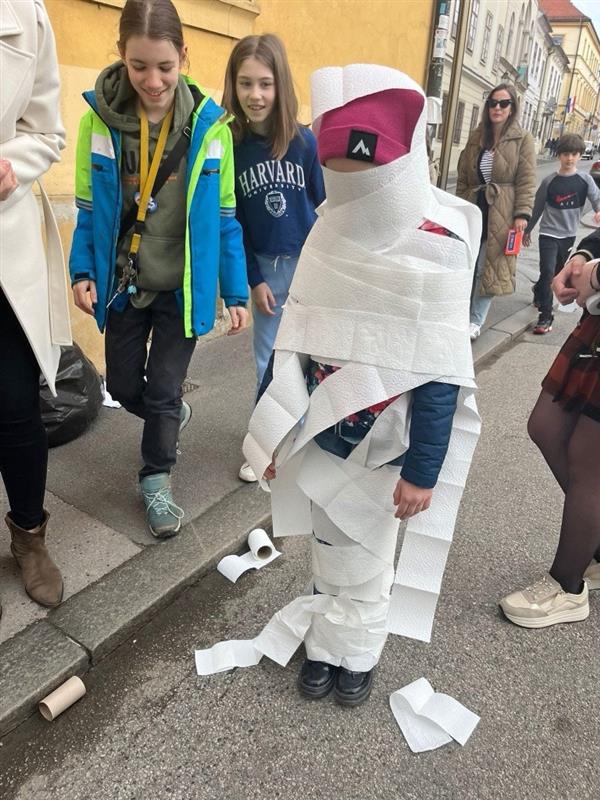
On that day, the school transforms into ancient Egypt. Classrooms and school surroundings become stations, each representing one of the Ten Plagues. Divided into small mixed age groups, children travel from one station to another, completing fun challenges, solving tasks, and learning about each plague along the way. There is laughter, excitement, a bit of chaos – and a lot of learning.

For the students, it is more than just a game. It is a way to step into the story of Pesach, to feel the journey from slavery to freedom, and to understand it not only through books but also through experience. Older students often remember it as one of their favourite school memories, and younger ones eagerly wait for their turn each year.

Over time, this activity has become more than a lesson, it is a tradition that connects generations of students, bringing Jewish history and identity to life in a meaningful and joyful way.

Why is this important to you/your community?This tradition should be remembered and celebrated because it does something very special, it turns history into lived experience. First, it brings the story of Pesach to life in a way that children truly understand. Instead of only hearing about the Exodus, they experience it, making the idea of freedom, resilience, and identity personal and memorable. Second, it builds a strong sense of community and continuity. Since it has been taking place every year since 2003, generations of students share this same memory. It becomes a common thread that connects past and present students of the school. Third, it reflects the importance of Jewish education in a meaningful and joyful way. Learning is not only academic, but emotional and experiential, something that stays with children long after they leave the classroom. Finally, in a smaller Jewish community like Zagreb, traditions like this play an essential role in preserving identity and strengthening belonging. They remind students that they are part of a living story one that continues through them. In short, it is not just a game, it is a tradition that keeps history alive, builds community, and shapes identity.
Discover other traditions

Privacy Preference Center