3 March 2026
Kapparot
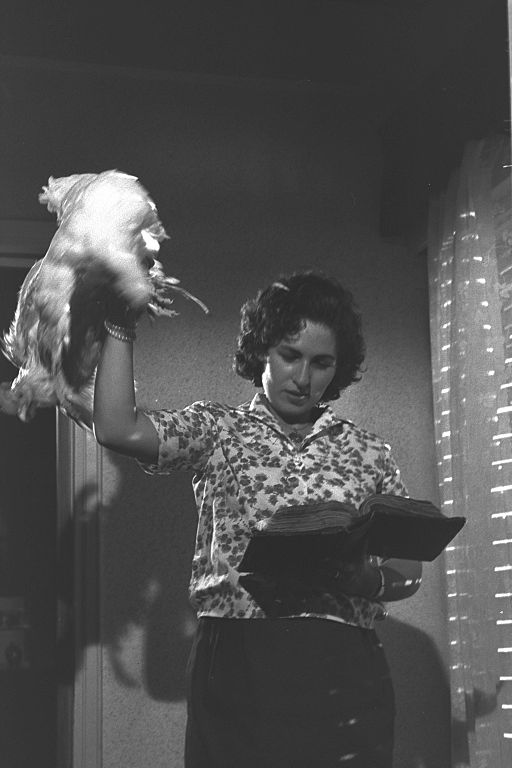
Kapparot is a customary ritual performed in the days preceding Yom Kippur, the Jewish Day of Atonement. The practice involves symbolically transferring one’s sins onto a chicken or, in many contemporary communities, onto money that is subsequently donated to charity. The ritual is accompanied by specific liturgical formulas and gestures, and is rooted in medieval Jewish tradition.
Traditionally conducted in courtyards, marketplaces or synagogue-adjacent spaces, Kapparot combines ritual symbolism, communal participation and ethical reflection. The use of a live chicken reflects older agrarian contexts, while modern adaptations using monetary donations emphasize charity (tzedakah) as a central spiritual act.
The element transmits knowledge of ritual timing, prescribed texts and embodied gestures across generations. It reinforces themes of repentance, moral accountability and communal belonging prior to Yom Kippur. Although debated within Jewish legal discourse, Kapparot remains a living and evolving practice in various Jewish communities worldwide, illustrating the dynamic character of intangible religious heritage.