1 February 2026
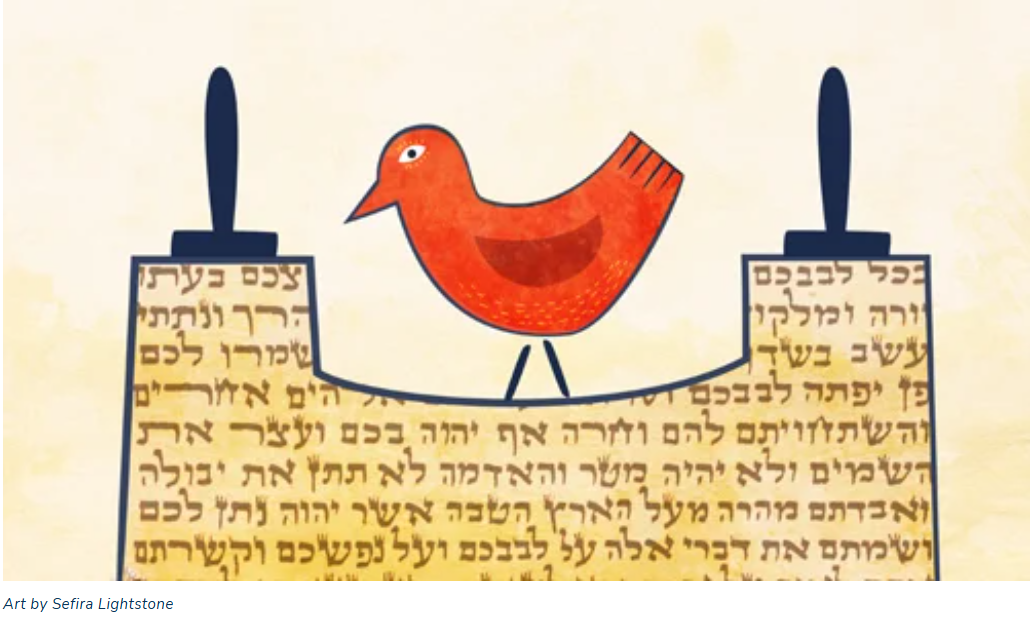
Feeding birds on Tu BiShvat
This custom is rooted in several intertwined traditions and values. Tu BiShvat often occurs close to Shabbat Shirah, the Sabbath on which the Song of the Sea is read. Since birds are regarded as natural singers, feeding them on this occasion honors the theme of song and praise that fills this Shabbat. Another explanation recalls a midrashic account from the Exodus, in which Datan and Aviram attempted to undermine the miracle of the manna by scattering it on Shabbat; the birds consumed it, thereby preserving the truth that no manna fell that day. In gratitude, the birds are symbolically rewarded with food on this Shabbat each year.
The practice is also understood as an act of returning nature’s gifts to nature itself. By using tree products such as pinecones and nut butter to create bird feed, participants symbolically re-gift what the trees have produced back to living creatures. In this way, the custom links Tu BiShvat’s celebration of trees with active care for animals.
Finally, the custom serves as an accessible way to fulfill the value of tza’ar ba’alei chayim, the obligation to prevent the suffering of living creatures. Especially for children, feeding birds becomes a tangible expression of compassion and responsibility toward God’s creation, turning abstract values into lived practice.