How it works


Latest contributions
Discover the most recent traditions shared by our community.
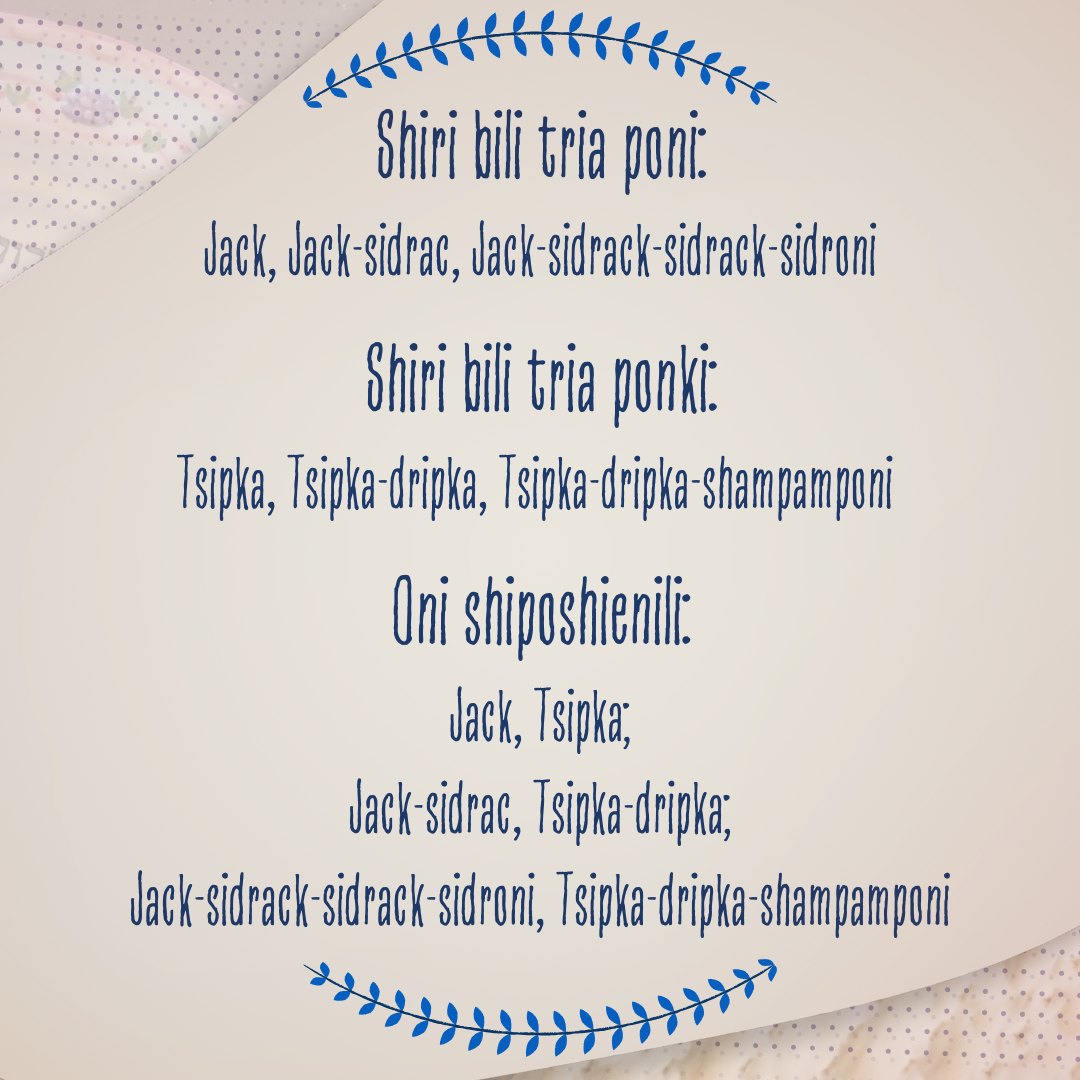
Shiri Bili Tria Poni: a Jewish Polish family tongue twister across generations
“Shiri bili tria poni” is a Jewish-Polish tongue-twister passed down in my family from my great-grandmother’s second husband, Tzvi. Recited during holidays like Passover and Rosh Hashanah, it became part of our ritual life. Though long thought to be nonsensical, it was later identified as a transformed version of a real Polish rhyme, shaped by migration across Poland, Israel, Argentina, and Spain.

Poland

Polish,
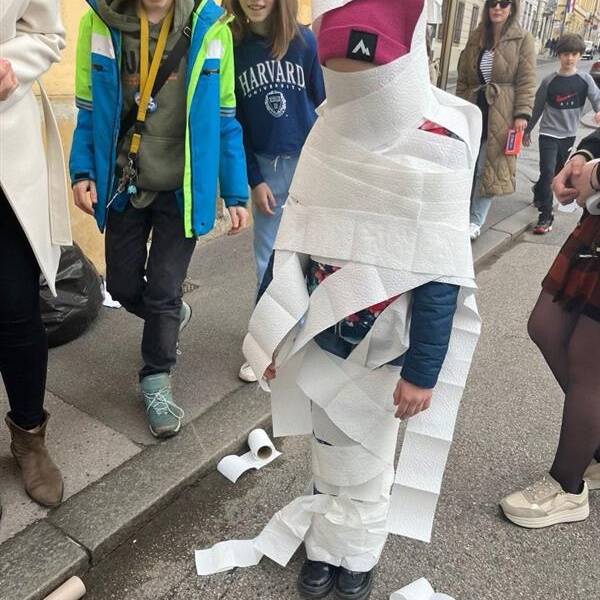
Getting out of Egypt Pesach escape game
This is an interactive, station-based Pesach activity for elementary school children, designed as a fun and educational journey through the 10 Plagues of Egypt.
🎯 Concept
Children “travel” through Egypt by completing 10 different stations, each representing one of the Ten Plagues. At each station, they complete a small challenge, game, or task. Once completed, they receive a stamp/clue/token that allows them to move forward, symbolising the journey toward freedom.
Croatia
Hebrew and Croatian

Every Shabbat on the afternoon, I use to conect my electric guitar to the amplifier, explore a new song with Jewish roots on the Mediterranean sea, and start jammin all over the music
Spain
Music
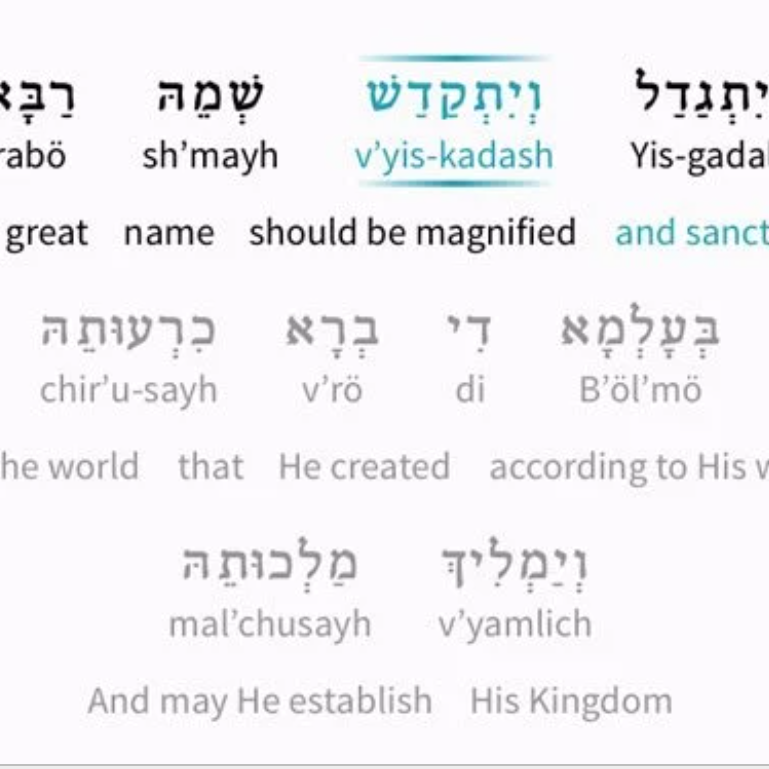
The Mourner's Kaddish or the 'Orphan's Kaddish' or pronounced is recited by a mourner at the end of a prayer service and after a memorial prayer. The period that the mourner recites the Kaddish for parents is, theoretically, a full calendar year. The deceased is considered to be under Divine judgment for that period. Some communities, therefore, adhere to the custom that Kaddish be recited for 12 months but it is generally done for 11 months minus one day.
Estonia
Hebrew
Clothing the poor has been a focus in the Jewish Community of Izmir emphasizing solidarity.
United Kingdom
Ladino and Hebrew
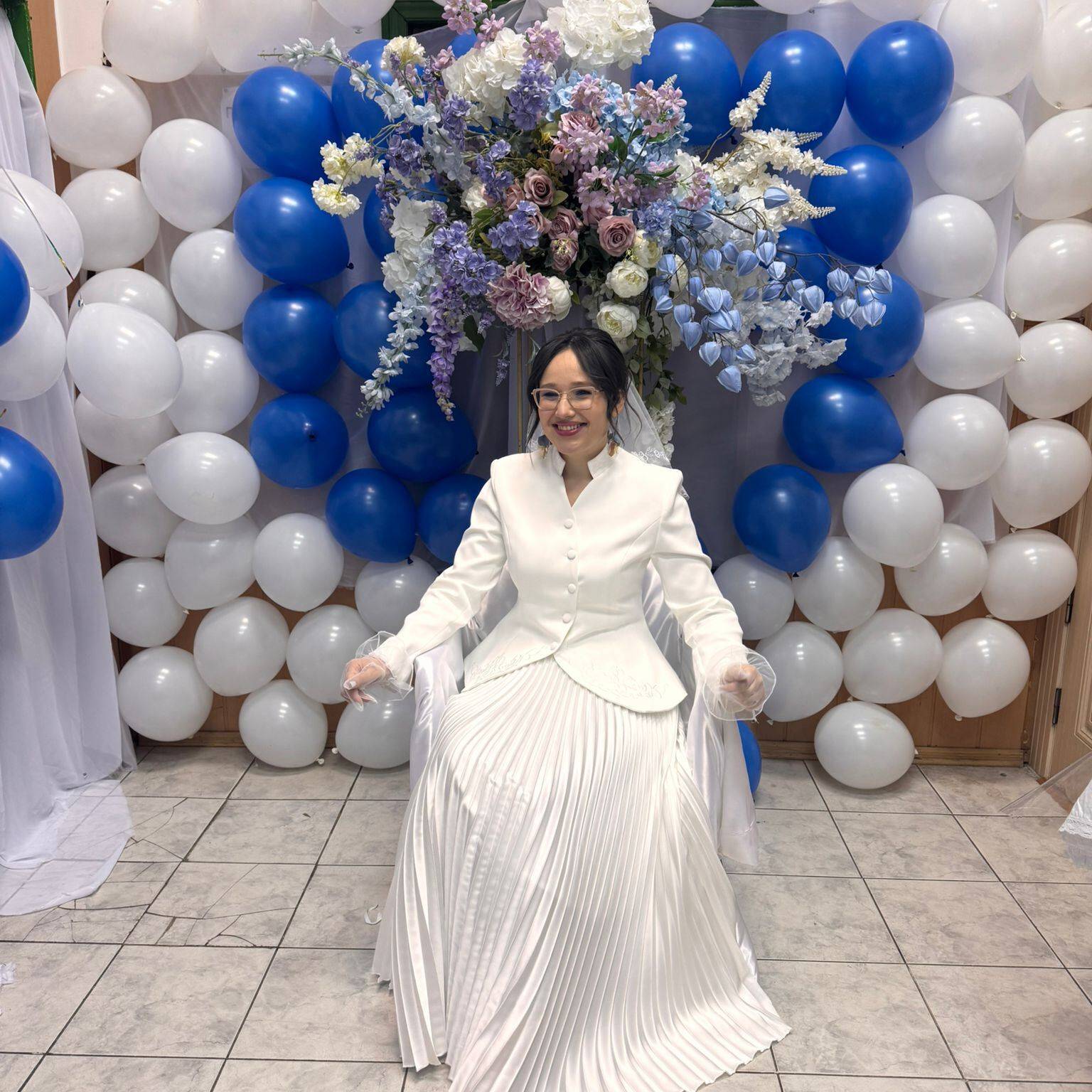
Traditional Bessarabian Jewish Wedding
A Jewish wedding is the sacred reconstruction of a single soul, where the couple stands under the Chuppah to build an "eternal structure" (Binyan Adei Ad) rooted in the light of the Torah. It is a moment of a special significance that transcends the individual, serving as a foundational restoration for the future of the entire community.
Moldova
Hebrew, Yiddish
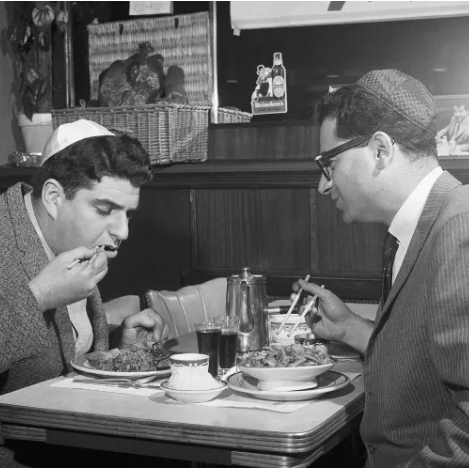
Dining at Chinese Restaurants on Christmas Day: A Contemporary Jewish Urban Tradition
The tradition of Jewish families eating at Chinese restaurants on Christmas Day emerged in twentieth-century United States cities and has since spread to other countries. Rooted in urban coexistence and minority cultural rhythms, it reflects adaptive communal practice, interethnic interaction and contemporary Jewish identity
United Kingdom
No specific liturgical language is required
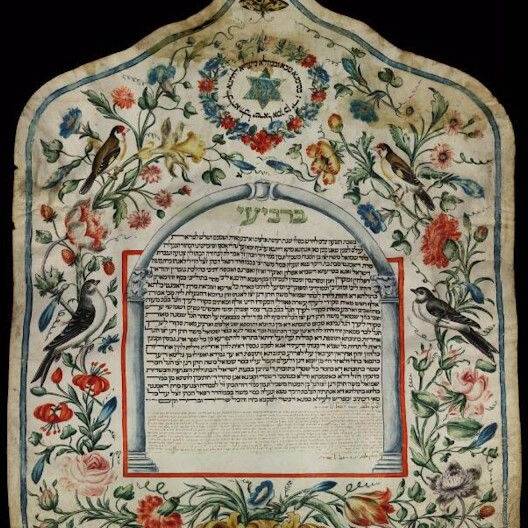
Illustrated ketubot are decorated Jewish marriage contracts combining legal text, calligraphy and ornamental art. Produced by skilled scribes and artists, they reflect regional styles and communal identity. Transmitted across generations, the craft integrates textual precision and visual symbolism within a living ritual tradition.
Italy
Primarily Hebrew (legal text), with historical inclusion of Aramaic formulae. In some communities, additional vernacular languages may appear alongside the traditional text.
KEEPING MEMORY ALIVE