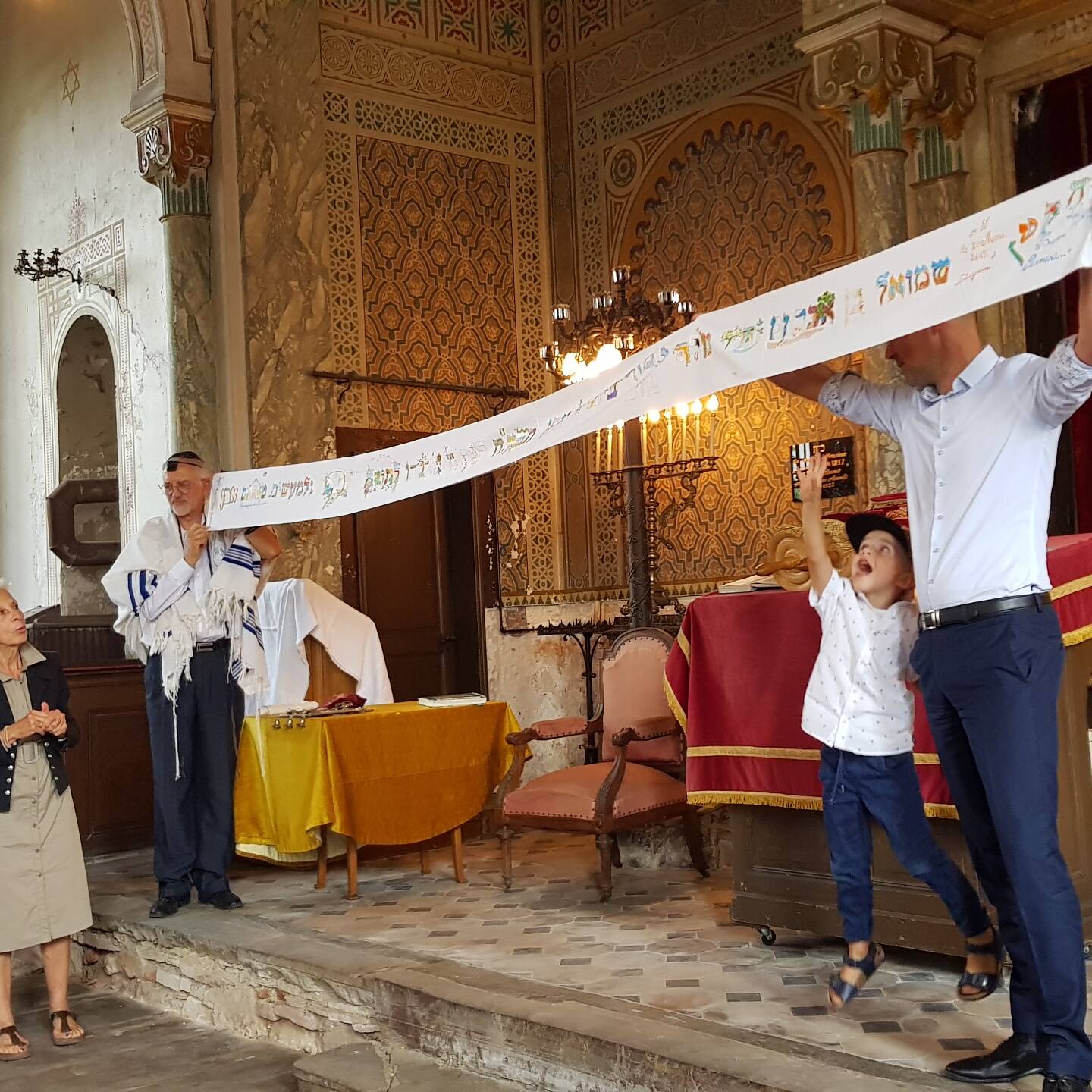
A living tradition in Alsace: the art of making Mappah.
During a ceremony, a young Jewish boy who has reached the age of three brings to the synagogue the mappah that his parents have made or have had made for him. The mappah (plural: mappot) is a long, decorative cloth used to wrap and secure the Torah scroll to protect it. It is made from the swaddling cloth on which the child sat during his circumcision. This tradition is still in use in Alsace, where artists (painters and/or embroiderers) create beautiful mappot on demand.
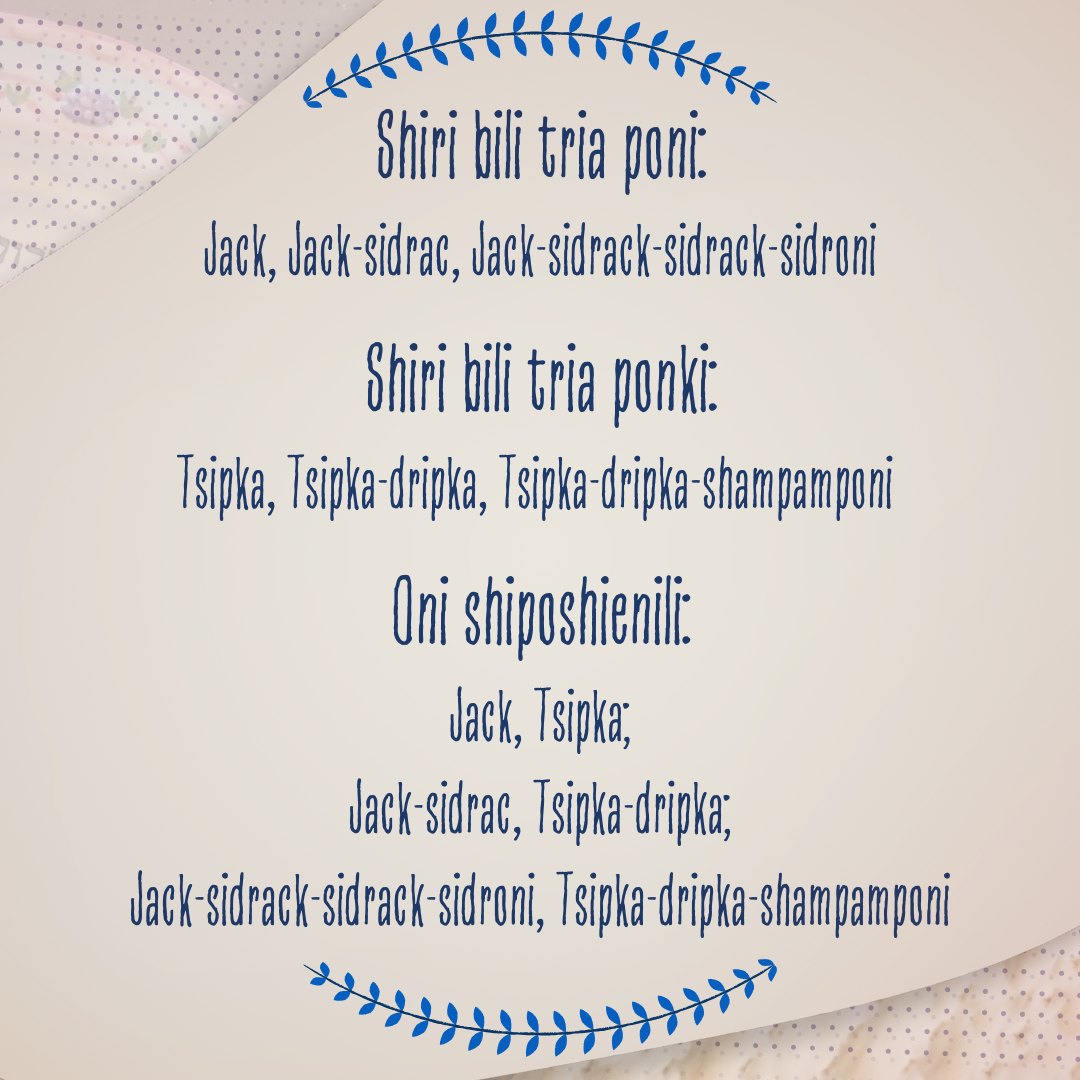
Shiri Bili Tria Poni: a Jewish Polish family tongue twister across generations
“Shiri bili tria poni” is a Jewish-Polish tongue-twister passed down in my family from my great-grandmother’s second husband, Tzvi. Recited during holidays like Passover and Rosh Hashanah, it became part of our ritual life. Though long thought to be nonsensical, it was later identified as a transformed version of a real Polish rhyme, shaped by migration across Poland, Israel, Argentina, and Spain.
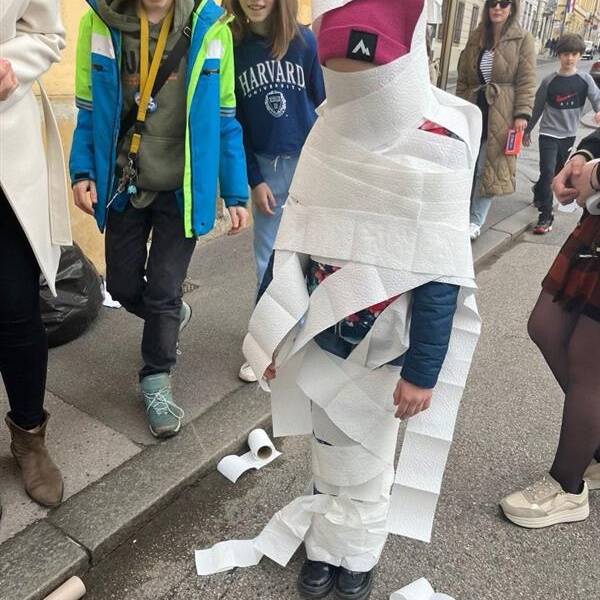
Getting out of Egypt Pesach escape game
This is an interactive, station-based Pesach activity for elementary school children, designed as a fun and educational journey through the 10 Plagues of Egypt.
🎯 Concept
Children “travel” through Egypt by completing 10 different stations, each representing one of the Ten Plagues. At each station, they complete a small challenge, game, or task. Once completed, they receive a stamp/clue/token that allows them to move forward, symbolising the journey toward freedom.
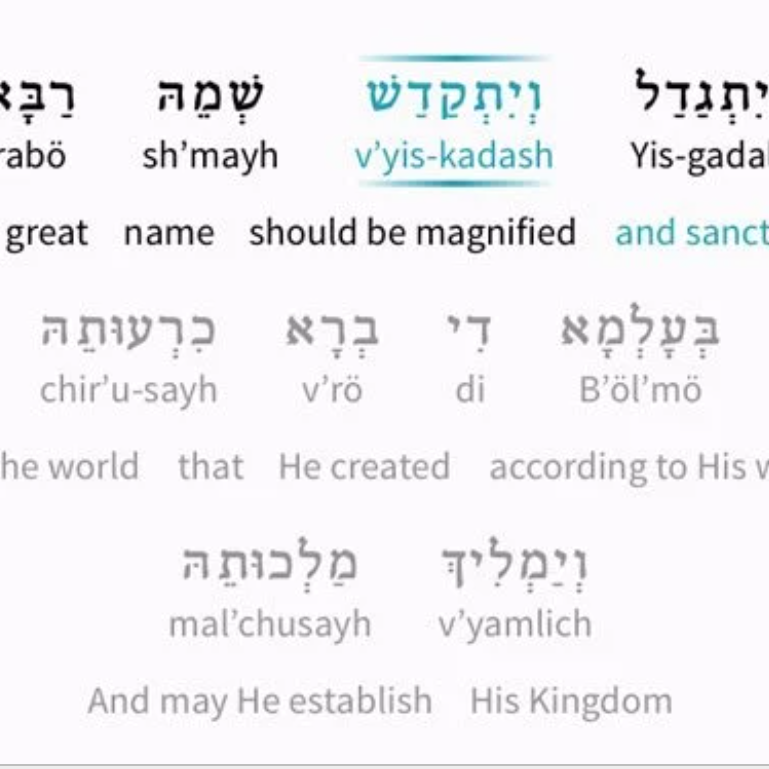
The Mourner's Kaddish or the 'Orphan's Kaddish' or pronounced is recited by a mourner at the end of a prayer service and after a memorial prayer. The period that the mourner recites the Kaddish for parents is, theoretically, a full calendar year. The deceased is considered to be under Divine judgment for that period. Some communities, therefore, adhere to the custom that Kaddish be recited for 12 months but it is generally done for 11 months minus one day.
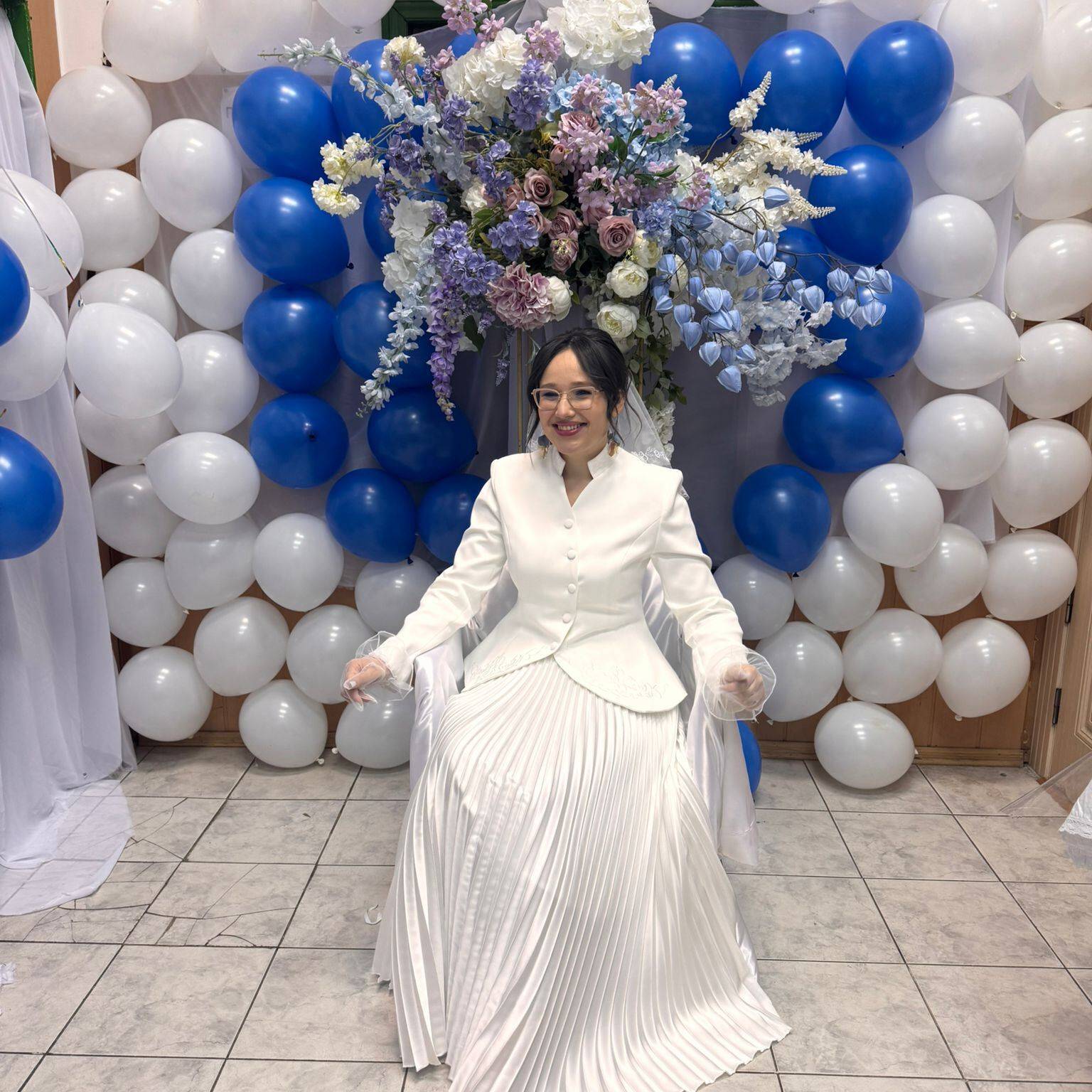
Traditional Bessarabian Jewish Wedding
A Jewish wedding is the sacred reconstruction of a single soul, where the couple stands under the Chuppah to build an "eternal structure" (Binyan Adei Ad) rooted in the light of the Torah. It is a moment of a special significance that transcends the individual, serving as a foundational restoration for the future of the entire community.
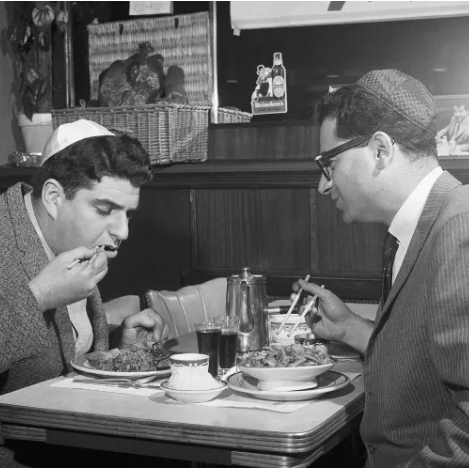
Dining at Chinese Restaurants on Christmas Day: A Contemporary Jewish Urban Tradition
The tradition of Jewish families eating at Chinese restaurants on Christmas Day emerged in twentieth-century United States cities and has since spread to other countries. Rooted in urban coexistence and minority cultural rhythms, it reflects adaptive communal practice, interethnic interaction and contemporary Jewish identity
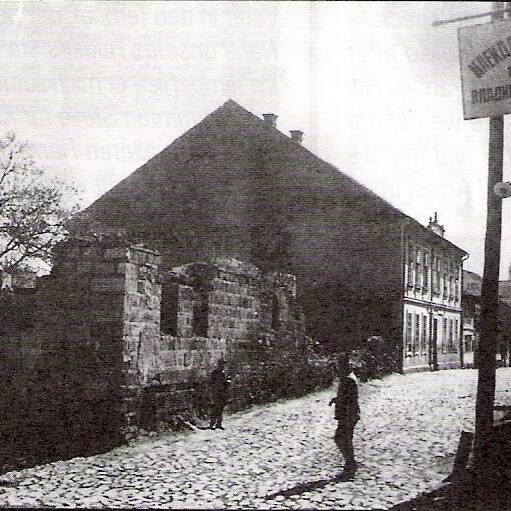
Purim de Bilugrado commemorates the miraculous salvation of the Belgrade Jewish community from the Turkish bombardment of 1862, celebrating resilience, and gratitude.
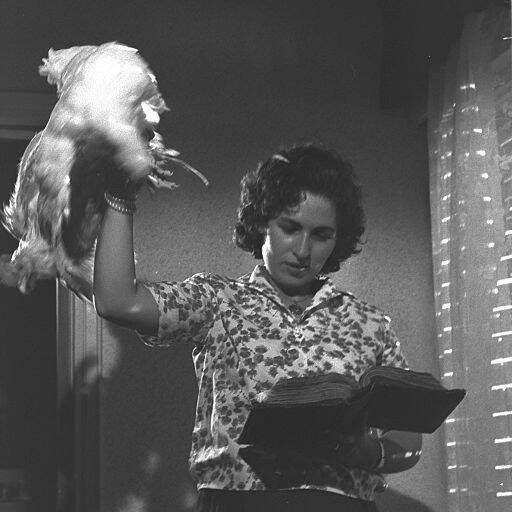
Kapparot is a pre–Yom Kippur ritual practiced in some Jewish communities, symbolically transferring wrongdoing onto a chicken or money before the Day of Atonement. Performed in communal and domestic settings, it expresses themes of repentance, charity and spiritual preparation, and is transmitted through longstanding ritual custom
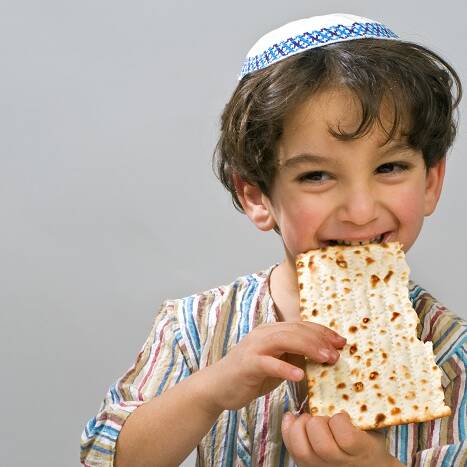
Children Knocking on the Door at Pesach
During the Passover Seder, Sephardic and Mizrachi families send their children outside to knock on the door and pretend to be the children of Israel who left Egypt and are on their way to the Promised Land.
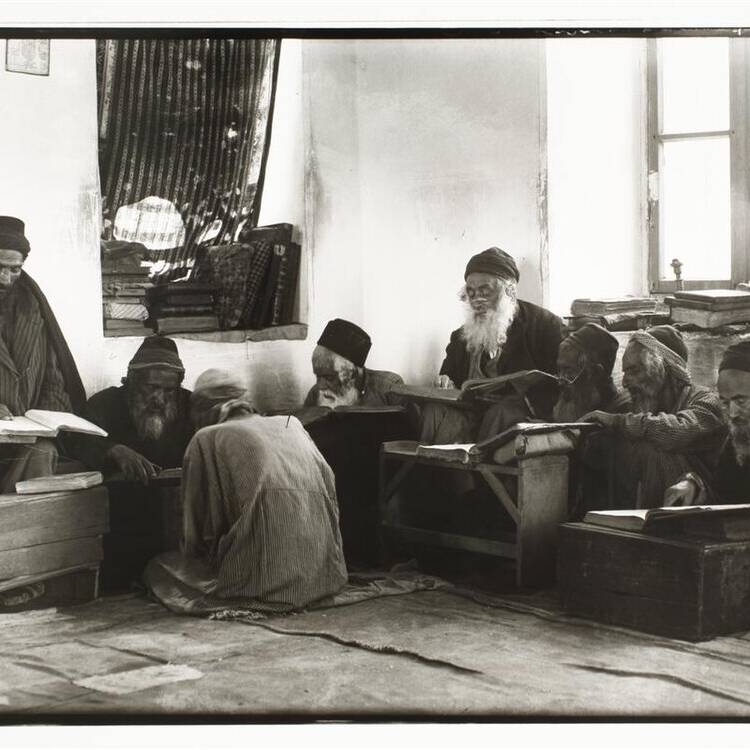
Tikkun Leil Shavuot is the Jewish tradition of studying Torah and sacred texts throughout the night of Shavuot. Practiced in homes, synagogues and community spaces, it commemorates the giving of the Torah at Sinai and embodies collective learning, intergenerational transmission and the living continuity of Jewish textual culture.