3 March 2026
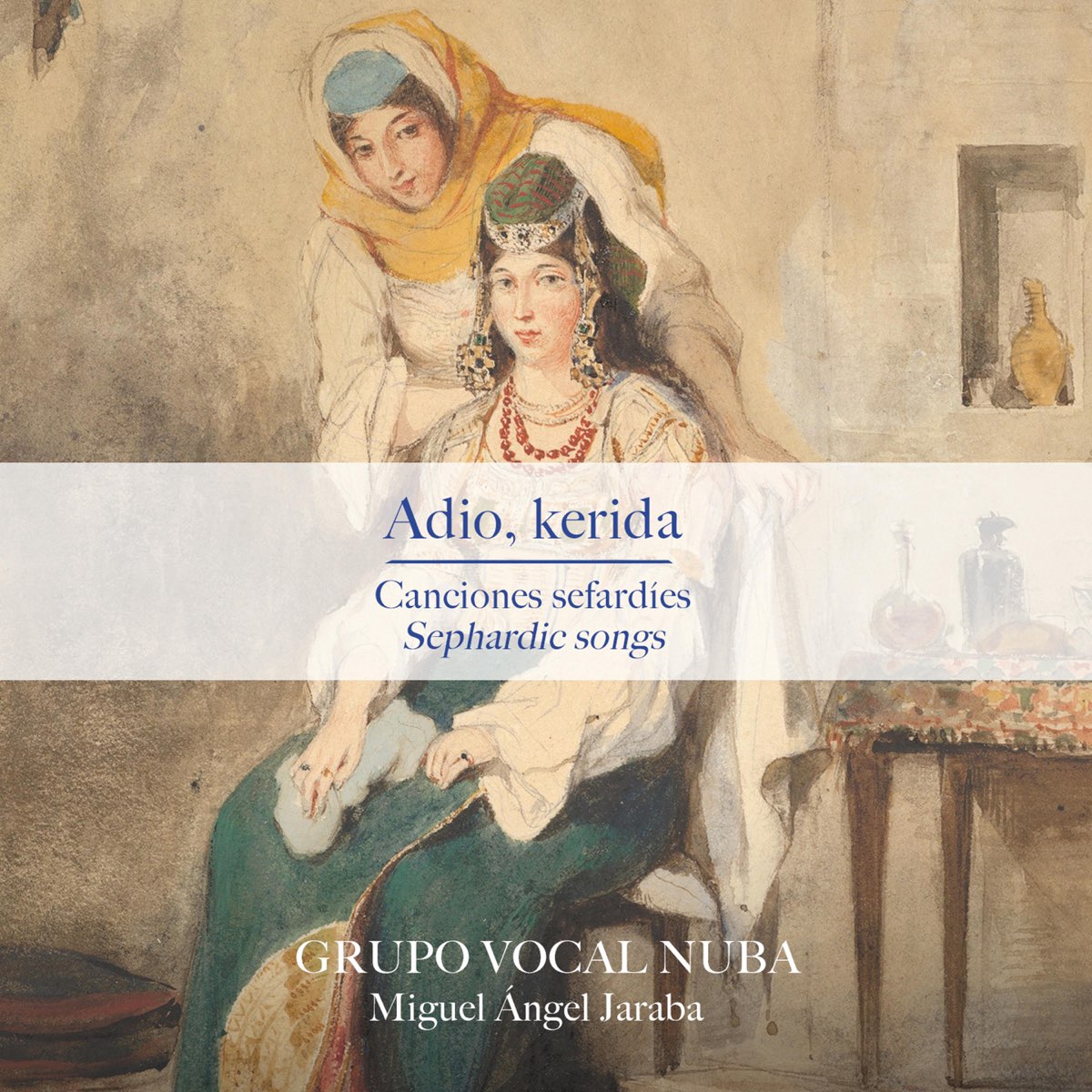
Adio Kerida (Adiós querida) song
“Adio Kerida” is a widely transmitted Sephardic song in Judeo-Spanish (Ladino), maintained as a living practice among Sephardic communities historically rooted in the Mediterranean and later dispersed across Europe, Israel and the Americas. The element belongs to the domain of oral traditions and performing arts, as its continuity relies on learning by listening, repetition and performance rather than fixed written notation.
Traditionally performed in domestic settings and community gatherings—often by women as key cultural transmitters—the song supports intergenerational transmission of Judeo-Spanish language, vocal styles and locally specific repertories. Its lyrics articulate themes of farewell and separation, while its broader cultural function is to reinforce shared belonging, memory and continuity within diasporic contexts. As a living tradition, “Adio Kerida” exists in multiple melodic and textual variants shaped by local histories, linguistic features and performance conventions.
Safeguarding occurs through community practice, cultural events, educational workshops, and documentation in sound archives and research initiatives. Digital dissemination and contemporary performance have expanded access while sustaining the song’s relevance, demonstrating the adaptive capacity of intangible cultural heritage when rooted in community recognition and ongoing transmission.