3 March 2026

Adafina

Scope:collectiveAt risk of disappearing?NoProtective status:NoLocation:SpainLanguages used:Judeo-Spanish (Ladino), a Romance language derived from medieval Iberian Spanish and preserved within Sephardic communities. Depending on regional transmission, it may include lexical influences from Turkish, Greek, Hebrew, Arabic or Balkan languages.Who submits?individual

Adafina is a traditional Sephardic Sabbath stew rooted in medieval Jewish life in the Iberian Peninsula. It is prepared on Friday before sunset and left to cook slowly overnight, enabling Shabbat observance while providing a warm meal on Saturday. The name is linked to Arabic “dafina” (“hidden/buried”), referring to the sealed pot left near embers.

Following the expulsions of the late fifteenth century, the practice continued especially in Morocco and became a marker of Sephardic identity. Typical ingredients include chickpeas, meat, eggs and spices; recipes vary by region and family.

Transmission takes place mainly in the home through observation, participation and oral instruction. Beyond cooking, Adafina conveys ritual knowledge, timing practices, and values of hospitality and togetherness. Today it remains a living tradition in Moroccan-Sephardic households and diaspora communities, and is also shared through cultural and educational initiatives.
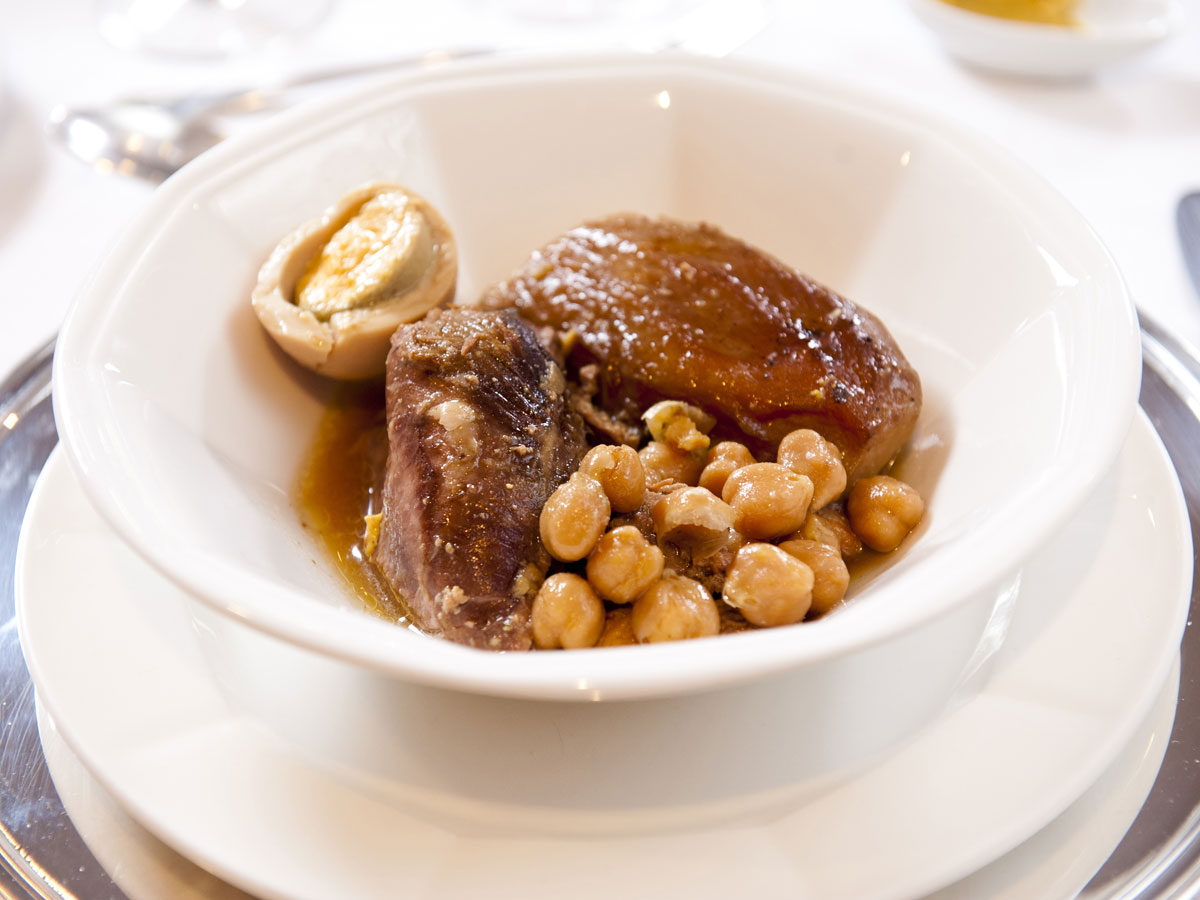

Why is this important to you/your community?Adafina is important because it embodies the interaction between religious observance and daily life. As a Sabbath dish prepared before sunset and left to cook overnight, it reflects the practical application of Jewish law within domestic space. The practice sustains intergenerational transmission of culinary knowledge, ritual awareness and family memory. Its historical continuity from medieval Iberia to North African Sephardic communities illustrates cultural resilience and the preservation of identity through food traditions.
Discover other traditions

Privacy Preference Center