Discover the Hub
Learn More About Intangible Jewish Heritage
Unlike physical artifacts or monuments, the Intangible Jewish heritage exists in the realm of memory, knowledge, and practice—carried forward through stories, songs, rituals, and customs that continue to shape Jewish identity today.
Through understanding and preserving these intangible treasures, we ensure that the full spectrum of Jewish cultural creativity—from the sacred to the everyday—continues to inspire, educate, and unite communities across Europe.
What Is Intangible Jewish Heritage?
Intangible is something that cannot be touched. Intangible heritage is the part of your culture that cannot be put on a shelf but dearly kept in your heart. Ask yourself whether it is something you hold with your hands or keep in your heart. If it is the latter, it is probably Intangible Heritage.

What our experts say
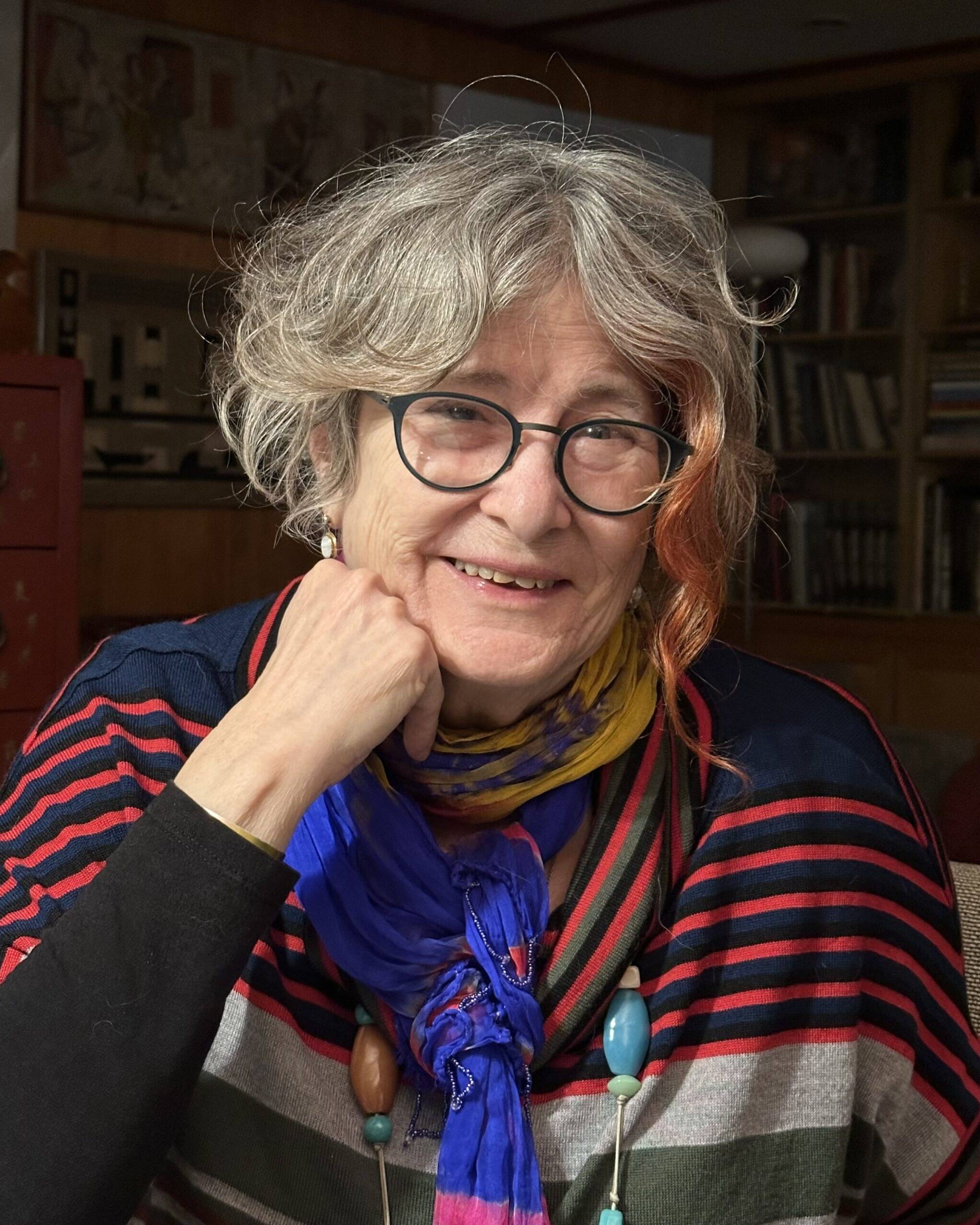
"Intangible heritage is something like a sixth sense. It is — literally — heritage that one cannot touch in physical form. It exists, is passed down, and is accessed via our other senses: sight, hearing, taste, and smell — and also via memory, stories, ideas, emotions, and dreams."
Ruth Ellen Gruber has been involved with Jewish heritage issues for more than 35 years and coordinates the web site Jewish Heritage Europe. With her 2002 book Virtually Jewish: Reinventing Jewish Culture in Europe, she coined the term “Virtually Jewish” to describe the way the so-called “Jewish space” in Europe is often filled by non-Jews. Her other books include National Geographic Jewish Heritage Travel: A Guide to Eastern Europe; Letters from Europe (and Elsewhere); and Upon the Doorposts of Thy House: Jewish Life in East-Central Europe, Yesterday and Today. The recipient of a Guggenheim Fellowship, Poland’s Knight’s Cross of the Order of Merit, and other awards and honors, she has contributed to many other books and publications and was the Distinguished Visiting Chair in Jewish Studies at the College of Charleston, SC, in 2015.
⸻ Picture credit: Amalie R. Rothschild
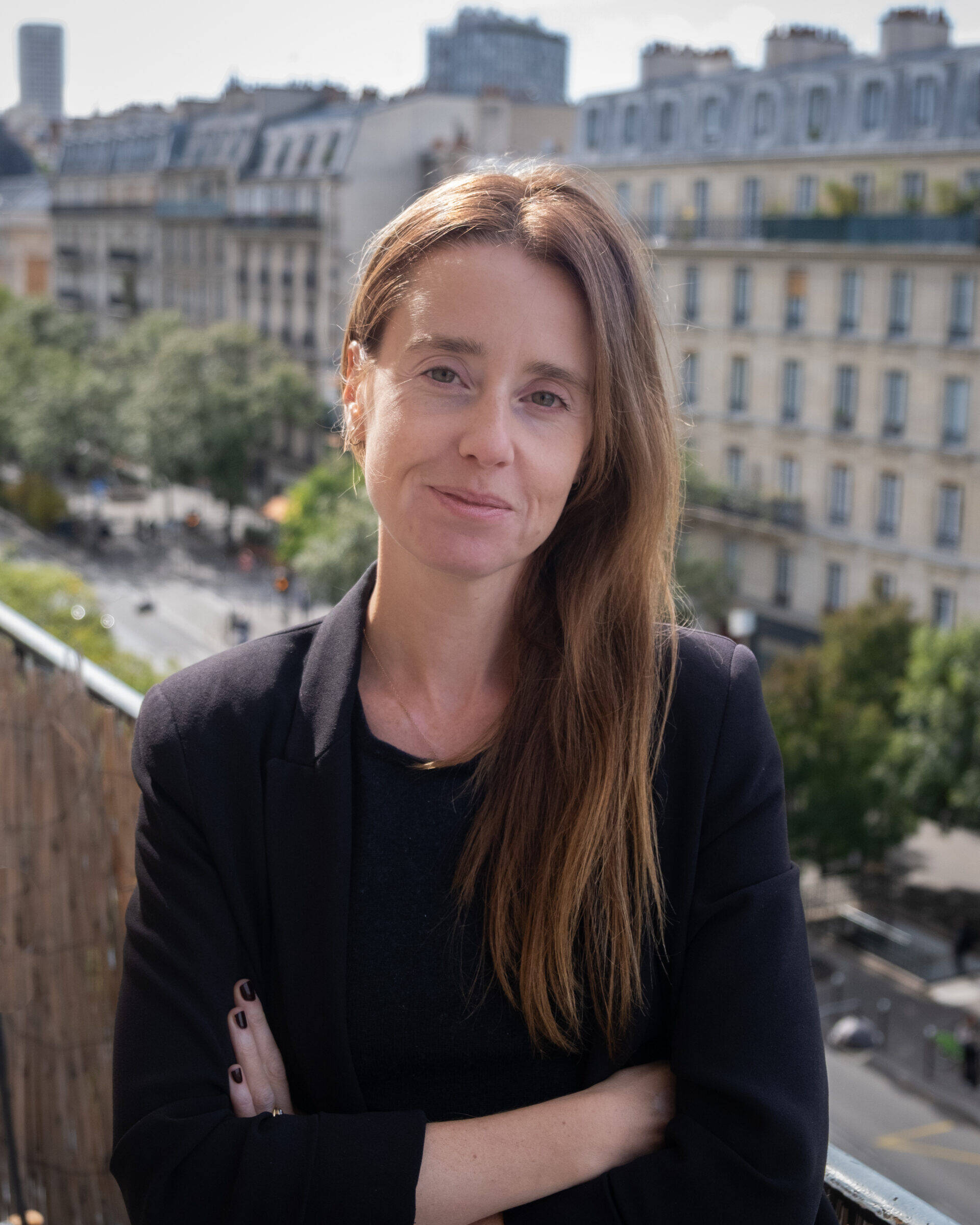
"For me, intangible Jewish heritage embodies a shared responsibility of transmission — the duty to keep alive the practices, voices, and values that shape Jewish cultural life. It is through this continuous act of continuity that our heritage remains meaningful today."
With over a decade of experience in cultural heritage management, Laura Schwartz has developed international projects dedicated to the transmission and promotion of Jewish cultural heritage. She previously served as Editor-in-Chief of the Guide to Cultural Jewish Europe (JGuide Europe), Cultural Attaché at the French Embassy in Israel, and Consultant for UNESCO on Jewish heritage preservation. In 2025, she has been appointed Director of Communications at the Unified Jewish Social Fund (FSJU).
⸻ Picture credit: Josef Eyal
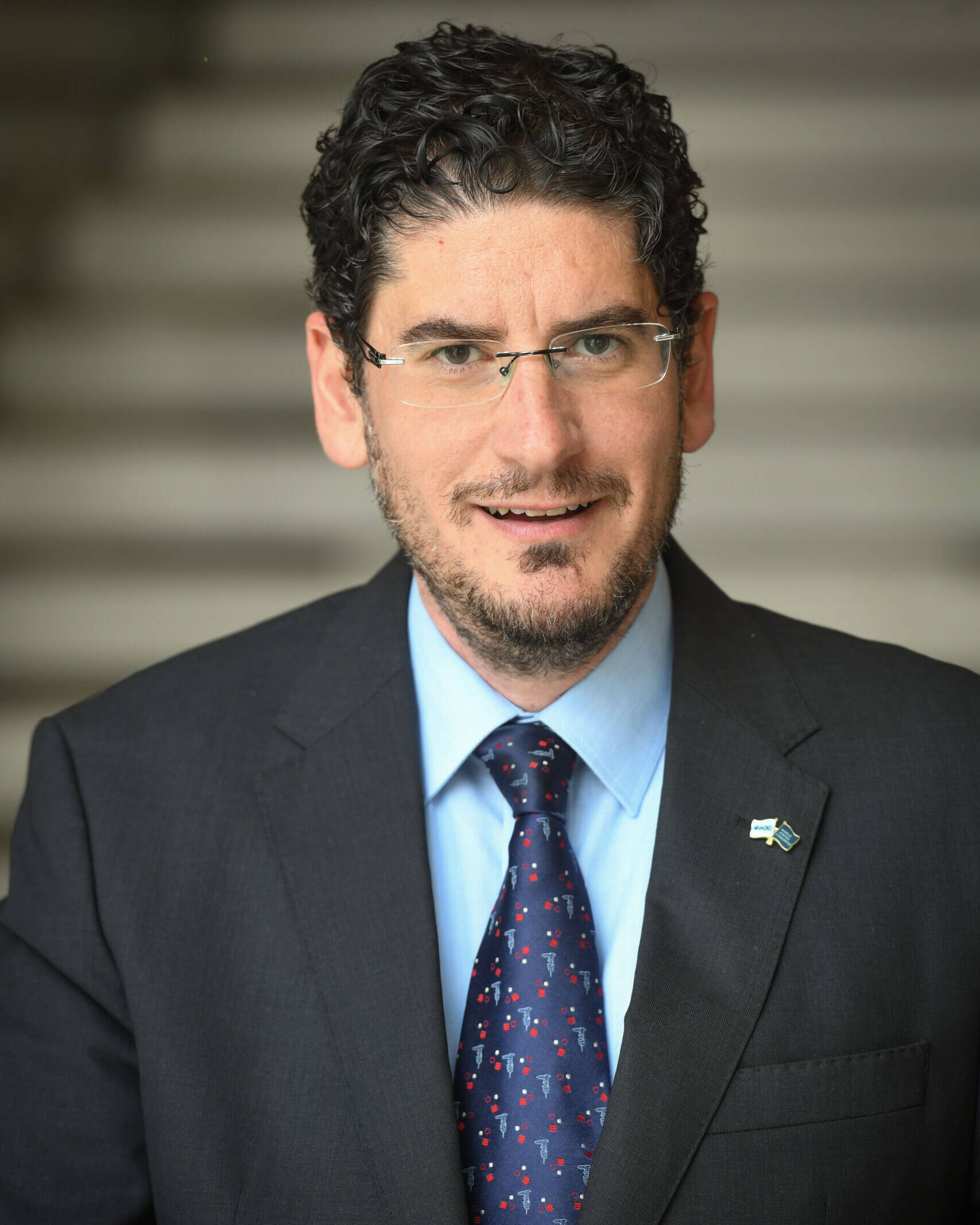
"Intangible Jewish heritage—the practices, traditions and accomplishments of the Jewish people in the past centuries—is the means to connect to our past, while building a more resilient future."
Leon Saltiel is Director of Diplomacy and Representative at UN Geneva and UNESCO, for the World Jewish Congress. He holds a Ph.D. in Contemporary Greek History from the University of Macedonia, in Thessaloniki, Greece, and has been a post-doctoral researcher at the Graduate Institute of International and Development Studies in Geneva, Switzerland and the Aristotle University of Thessaloniki. His publications include The Holocaust in Thessaloniki: Reactions to the Anti-Jewish Persecution, 1942–1943 (Routledge 2020), which won the 2021 Yad Vashem International Book Prize for Holocaust Research, and ‘Do Not Forget Me’: Three Jewish Mothers Write to their Sons from the Thessaloniki Ghetto in Greek (Alexandria 2018), English (Berghahn 2021) and French (Denoël 2023).
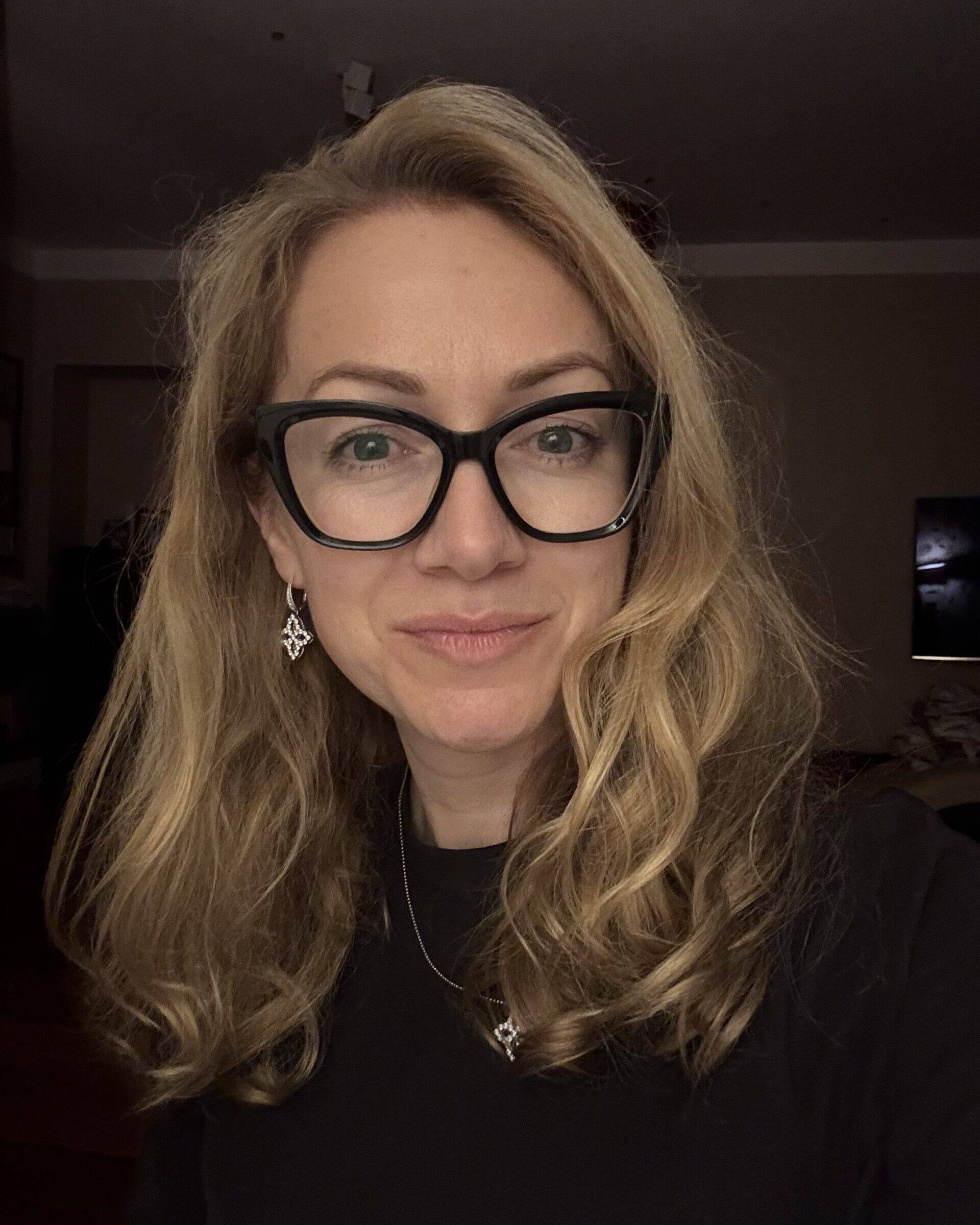
"Intangible Jewish heritage is like a bridge between generations. By documenting it we ensure that the richness and diversity of Jewish cultural and religious traditions, customs, craftsmanship, music and many other Jewish practices continue to live."
Viktorija Juse has extensive professional experience in project management and administration. From 2007 to 2013, she worked in various positions at the Embassy of Sweden in Vilnius, and from 2014 to 2019 she worked at JDC where she coordinated Baltic regional programs and events for youth and adults.
Since 2019, Viktorija has been with the World Jewish Congress (WJC), first as Director of the International Yiddish Center. She now serves as Jewish Community Liaison for the Baltic, Nordic, and Eastern European countries, as well as Project Manager for Europe-wide initiatives. In her role, she leads programs that strengthen Jewish life, preserve Jewish heritage, and promote education and remembrance.
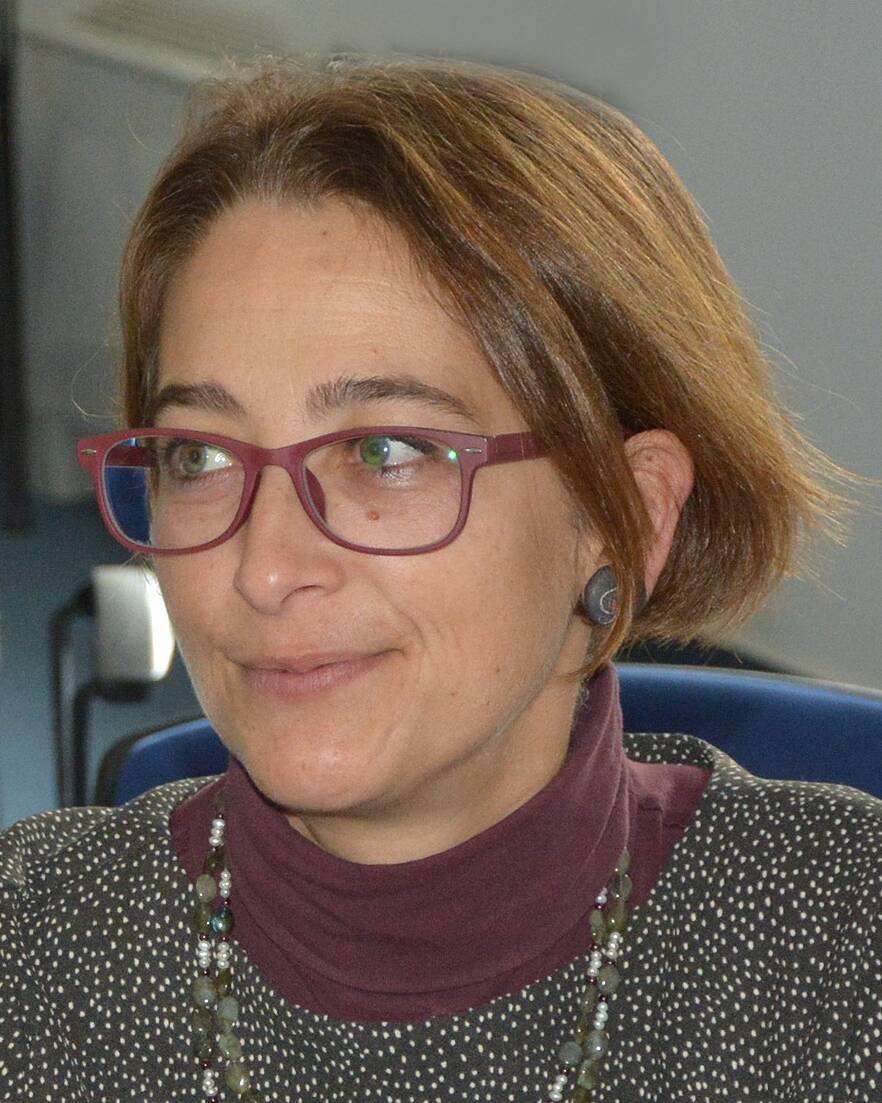
Panagiota Andrianopoulou worked as scientific assistant and curator in the Jewish Museum of Greece and participated in various research projects of the Center of Greek Folklore, the National Research Foundation and relevant scientific institutions. Since 2006 she worked in the Hellenic Ministry of Culture, dealing with intangible and tangible cultural heritage, concerning raising awareness and safeguarding measures. From 2014 in Head of the Department of Modern Movable Heritage, she regarded heritage as a coherent unit of immaterial and material values. Since 2011, she has facilitated capacity building workshops in Bulgaria, Kosovo, Romania, Croatia, Uzbekistan, French Reunion and Bosnia-Herzegovina. Since February 2018 she is appointed Head of the Department of Collections, Research and Documentation of Folk Art and Deputy Director of the National Museum of Modern Greek Culture, responsible for the scientific documentation of the new museological project and for the interrelation between museum and communities.
Questions & Answers
Anything meaningful related to your Jewish identity: a ritual, a recipe, a tune or even a family story you like to share over dinner.
-
- It must relate to Jewish life, identity, or culture, whether religious or secular.
- It must be intangible in nature, focused on practice rather than objects. Exceptions: for traditional craftsmanship, arts, or food traditions, the physical product can illustrate the practice.
Yes – each submission must include at least one image (JPEG) to illustrate the tradition. Audio or video files are optional and can enrich your submission.
This helps keep our website beautiful and makes it easier to appreciate your intangible heritage by giving the eye something to rest on.
Submissions should be in English, or include an English translation, so more people can understand and enjoy your tradition.
Anyone! Individuals, families, or community groups can share their traditions.
Yes. If you need to update or correct your submission, please get in touch via our Contact page where you can tell us what you’d like to change.
All submissions are reviewed before being published to ensure clarity and relevance. We also want to make sure texts that are hateful or discriminatory don’t find their way onto the site, to keep this hub safe and pleasant for everyone.